


Views: 0 Author: Site Editor Publish Time: 2025-11-18 Origin: Site


In the world of modern manufacturing, technological advancements have significantly improved the efficiency, accuracy, and environmental sustainability of various processes. One such innovation is the development of full electric pipe bending machines. These machines have become increasingly popular in industries that rely on high-quality pipe bending, such as aerospace, automotive, construction, and plumbing. By replacing traditional hydraulic and mechanical systems with electric power, full electric pipe bending machines offer a range of benefits, from energy efficiency to precision and cost savings.
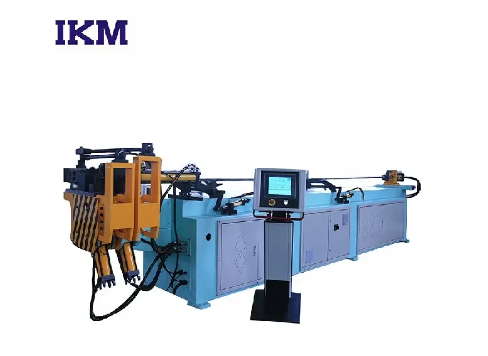
Before diving into the benefits, it is important to understand what full electric pipe bending machines are. These machines use electric motors to bend pipes, as opposed to the traditional hydraulic systems that have been widely used in the industry. The electric motors provide direct drive to the bending mechanism, which results in a more controlled and efficient operation.
The key advantage of full electric machines is the precise control they offer. These machines use advanced servo motors and controllers to ensure that every bend is accurate and consistent. This level of precision is crucial for industries where the integrity of the pipe and the exact bend angles are important to the performance and safety of the final product.
One of the most significant advantages of full electric pipe bending machines is their energy efficiency. Traditional hydraulic pipe benders are notorious for consuming large amounts of energy. Hydraulic systems require pumps and motors to circulate oil under pressure, which can result in wasted energy, especially when the system is not operating at full capacity.
Electric machines, on the other hand, only consume energy when required, thanks to the precision of the servo-driven motors. These motors are highly efficient and can be programmed to adjust their output according to the specific requirements of each bend. As a result, electric pipe bending machines consume far less power compared to hydraulic machines, which leads to lower energy costs for manufacturers.
Moreover, this energy efficiency contributes to a more environmentally friendly operation, as it reduces the carbon footprint associated with the manufacturing process.
In industries like aerospace, automotive, and construction, precision is critical. Even the smallest deviation in the angle of a bend can result in costly errors, material waste, or structural issues. Full electric pipe bending machines offer superior accuracy compared to traditional systems.
The servo motors used in these machines allow for fine-tuned control over every aspect of the bending process. Operators can program the machine to execute complex bending sequences with millimeter-level precision. This ensures that each bend is consistent, which is essential when producing parts that need to fit together perfectly, such as in vehicle exhaust systems or high-pressure pipe installations.
Moreover, the advanced control systems of electric machines allow for easier adjustments during the production process, ensuring that the final product meets the required specifications without the need for manual intervention or rework.
Time is money in manufacturing, and speed is often a critical factor in meeting production deadlines. Full electric pipe bending machines significantly reduce the time required for setup and operation. Unlike traditional hydraulic machines that require complex setups and warm-up times, electric machines are ready to go almost immediately after they are powered on.
Electric pipe benders also offer faster cycle times due to their precise control and faster response times. This means manufacturers can bend pipes more quickly and efficiently, increasing the overall output of the production line. This is especially beneficial in industries with high-volume production needs, such as automotive and HVAC systems.
Maintenance costs are another area where full electric pipe bending machines shine. Traditional hydraulic systems often require regular maintenance, including oil changes, filter replacements, and checks for leaks or pressure issues. These systems are also prone to mechanical wear and tear, which can result in costly repairs and downtime.
In contrast, electric pipe bending machines have fewer moving parts and no hydraulic fluid to maintain. The absence of oil and the simpler design of electric machines reduce the risk of mechanical failure and the need for regular maintenance. As a result, manufacturers can enjoy lower operational costs over the machine's lifespan.
Additionally, because electric systems tend to be more reliable, downtime for repairs or malfunctions is minimized, keeping production schedules on track and reducing the need for emergency maintenance.
Full electric pipe bending machines tend to have a more compact design compared to their hydraulic counterparts. This is because they do not require large reservoirs for hydraulic fluids, nor do they need bulky pumps and motors for power transmission. The compact nature of electric pipe benders makes them ideal for environments with limited space.
Manufacturers can install these machines in smaller workspaces or production lines, allowing for more efficient use of factory floor space. In some cases, this can even lead to a reduction in the number of machines required to complete the same amount of work, further improving efficiency and cost savings.
Safety is a top priority in any manufacturing environment, and full electric pipe bending machines offer improved safety features compared to hydraulic machines. Hydraulic systems often pose safety risks due to the high pressures involved and the potential for leaks or bursts. In addition, hydraulic machines can be noisy, leading to a less-than-ideal work environment.
Electric machines operate at lower pressures, reducing the risk of accidents associated with high-pressure hydraulic fluid. They also produce less noise, creating a more comfortable and safer working environment for operators. Many modern electric pipe benders come equipped with safety sensors and emergency stop features to further protect workers.
Electric pipe bending machines are highly flexible, capable of performing a wide range of bends on various pipe materials and sizes. They can be easily reprogrammed to meet the specific needs of each job, allowing manufacturers to switch between different pipe types or bend angles with minimal downtime.
This flexibility is especially useful in industries with diverse production requirements, where different bends and pipe sizes are needed for different applications. Full electric machines can be customized with different bending tools, dies, and control software to handle a variety of production needs, offering manufacturers more versatility in their operations.
As environmental concerns continue to grow, industries are increasingly looking for ways to reduce their ecological footprint. Full electric pipe bending machines are a step forward in this regard, offering a more environmentally friendly alternative to traditional hydraulic machines.
Electric machines produce less waste, as there is no hydraulic fluid to dispose of or manage. Additionally, the energy efficiency of electric systems reduces the overall energy consumption of the manufacturing process, contributing to lower carbon emissions. Manufacturers who invest in full electric pipe bending machines can demonstrate a commitment to sustainability, which is becoming an increasingly important factor in today's market.
While full electric pipe bending machines may require a larger initial investment compared to traditional hydraulic systems, the long-term cost savings are substantial. The reduced energy consumption, lower maintenance costs, and higher productivity of electric machines translate into a strong return on investment over time.
Additionally, the precision and speed of electric machines reduce material waste and improve product quality, which can lead to further savings in the form of fewer rejections and a higher rate of first-pass yield. Manufacturers can recover their initial investment more quickly and continue to save money over the lifespan of the machine.
Full electric pipe bending machines are revolutionizing modern manufacturing by providing an efficient, precise, and environmentally friendly solution to traditional pipe bending processes. Their energy efficiency, improved precision, faster production times, and lower maintenance requirements make them an ideal choice for industries that demand high-quality pipe bending.
As industries continue to focus on reducing costs and improving sustainability, the adoption of full electric pipe bending machines is expected to increase, making them a key tool in the future of manufacturing. By investing in this technology, manufacturers can not only enhance their operational efficiency but also contribute to a more sustainable and cost-effective production process.
For companies looking to upgrade their pipe bending capabilities, the transition to full electric machines represents a smart, forward-thinking choice that will yield significant benefits in the long term.


