


Views: 0 Author: Site Editor Publish Time: 2025-09-16 Origin: Site


In modern workshops, the ability to bend pipes accurately and efficiently is essential for a wide range of applications, including plumbing, automotive work, furniture production, and industrial fabrication. A pipe bending machine allows operators to create precise curves and angles in metal pipes without compromising their strength or structural integrity. However, choosing the right pipe bending machine can be a daunting task for beginners or workshop owners who are unfamiliar with the different types, functions, and specifications of these machines.
Selecting the wrong machine can result in poor-quality bends, increased material waste, and even potential safety hazards. Therefore, understanding the key factors involved in choosing a pipe bending machine is crucial. This guide aims to provide a comprehensive overview of what workshop owners and operators should consider when selecting a machine, including types, material compatibility, bending capabilities, maintenance, and safety considerations.
A pipe bending machine is a mechanical device designed to bend metal pipes and tubes into specific angles and shapes. Unlike manual bending methods, which often lead to irregular curves and material damage, pipe bending machines ensure consistent and precise results. These machines use dies, rollers, clamps, or hydraulic systems to apply force to the pipe, shaping it without causing kinks, cracks, or deformation.
Pipe bending machines vary in size, power, and complexity. They can be manually operated, electrically powered, hydraulically powered, or controlled by advanced CNC systems. Each type of machine has its own strengths and is suited for specific workshop applications. Understanding these differences is the first step in selecting the right equipment for your needs.
Manual pipe benders are the most basic and affordable option, ideal for small workshops or low-volume operations. These machines rely on human effort to bend pipes, using hand levers, rollers, or dies. Chain and lever-type manual benders are commonly used for small-diameter pipes and simple bends.
While manual machines are portable and easy to operate, they have limitations. They are generally slower, require physical effort, and may not produce perfectly consistent bends, especially with larger or thicker pipes. Manual benders are best suited for workshops where occasional or simple pipe bending is required.
Hydraulic pipe bending machines use fluid pressure to generate force, allowing them to bend thicker pipes and larger diameters with ease. These machines provide smoother and more precise bends compared to manual benders. Hydraulic models often include adjustable settings for bending angles, speed, and pressure, giving operators greater control over the process.
Hydraulic benders are suitable for medium to heavy-duty workshop tasks, including automotive fabrication, structural piping, and metalworking projects that require high accuracy and repeatability.
Electric pipe benders use motors to drive the bending process, making them efficient and suitable for high-volume production. Many electric models incorporate CNC (computer numerical control) systems, which allow operators to program specific bend angles, radii, and sequences for complex designs.
These machines are ideal for workshops that require consistent quality, precision, and speed. Electric benders can handle a wide range of materials and pipe sizes, making them versatile for different workshop applications.
Rotary draw benders use a bending die to pull the pipe into shape while maintaining its original cross-section. This method ensures tight, accurate bends without wrinkles or collapse, making it suitable for stainless steel, aluminum, and other materials prone to deformation. Rotary draw benders are commonly used in automotive, aerospace, and furniture manufacturing, where precision and aesthetics are critical.
Roll benders use three or more rollers to gradually bend the pipe into a curve or circular shape. This type of machine is effective for creating large-radius bends, such as those needed for handrails, architectural features, or round frames. While slower than rotary draw machines, roll benders are ideal for larger diameter pipes and thicker materials.
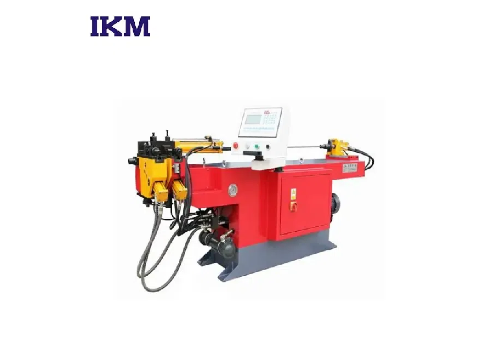
The type of metal you intend to bend is a primary consideration. Pipes made of stainless steel, aluminum, copper, or mild steel have different properties, such as hardness and ductility, which affect bending performance. For example, stainless steel requires more force and precise dies to avoid cracking, while aluminum bends more easily but may need support to prevent deformation. Selecting a machine compatible with your workshop’s materials ensures better results and reduces the risk of damaging the pipes.
The size of the pipes you work with determines the type of bending machine required. Larger diameters and thicker walls require machines with greater force, such as hydraulic or CNC electric benders. Using a machine that is underpowered for the pipe size can lead to incomplete bends, pipe collapse, or machine damage.
Different projects require different bending radii and angles. Some machines can achieve tight, precise bends, while others are designed for larger-radius curves. Evaluate the specifications of the machine to ensure it meets the requirements of your workshop projects. CNC-controlled machines are particularly useful for complex bending sequences or repeatable accuracy across multiple pipes.
Consider how often the pipe bending machine will be used. Manual machines are sufficient for occasional bending tasks, while high-volume workshops benefit from electric or hydraulic models that provide speed and consistent quality. Production volume also affects maintenance requirements, as high-frequency use demands more durable components and regular servicing.
The physical space in your workshop can limit the type of machine you can install. Manual and smaller electric machines are more compact and portable, allowing flexibility in placement and movement. Larger hydraulic or CNC machines may require dedicated floor space, power supply, and support structures. Evaluate your workshop layout before selecting a machine.
Pipe bending machines vary widely in price, depending on type, capacity, and features. Manual machines are the most affordable, while CNC electric and hydraulic machines represent a higher investment. When budgeting, consider both the initial cost and long-term savings in productivity, material efficiency, and reduced labor. A higher-quality machine often pays for itself through improved output and lower maintenance costs.
Safety should always be a top priority when operating pipe bending machines. Beginners and workshop owners should ensure operators are trained in proper handling techniques, and machines are equipped with safety features such as emergency stop buttons, guards, and secure clamps. Regular maintenance, inspection of dies and rollers, and adherence to load limits are essential to prevent accidents. Wearing personal protective equipment, such as gloves and safety glasses, is also crucial when bending metal pipes.
Proper maintenance extends the lifespan of a pipe bending machine and ensures consistent performance. Lubricate moving parts regularly, check hydraulic fluid levels in hydraulic machines, and clean dies and rollers to prevent buildup or damage. Inspect electrical connections in CNC or electric machines and replace worn or damaged components promptly. Routine maintenance not only improves safety but also minimizes downtime and reduces repair costs over time.
Pipe bending machines are used in a wide range of workshop applications. In automotive repair and fabrication, they bend exhaust pipes, fuel lines, and structural frames. Furniture workshops use them to create stylish metal frames and tubular designs. Plumbing and HVAC workshops require precise bends for piping systems, including water, gas, and air ducts. Even metal fabrication workshops use benders for structural supports, handrails, and industrial equipment frames. The versatility of pipe bending machines makes them indispensable tools in nearly every workshop that deals with metal pipes and tubes.
Selecting the right pipe bending machine brings multiple benefits. It improves productivity by reducing bending time and increasing output. Accurate machines ensure high-quality bends that meet design specifications, minimizing material waste. Properly selected machines reduce physical strain on operators, enhancing workplace safety. Investing in a high-quality bender also ensures long-term reliability and cost efficiency, as it reduces the need for frequent repairs and replacements.
Technological advancements continue to transform pipe bending machines. CNC automation allows for programmable, precise bending sequences and reduces reliance on operator skill. Smart machines with sensors can monitor load, angle, and bend quality in real-time, enhancing accuracy and reducing errors. Energy-efficient motors and hydraulic systems are becoming more common, making machines environmentally friendly while lowering operating costs. These trends make modern pipe bending machines safer, faster, and more versatile than ever before.
Choosing the right pipe bending machine for your workshop involves careful consideration of multiple factors, including material compatibility, pipe size, bending angles, production volume, workspace, and budget. From manual machines suitable for small-scale tasks to hydraulic and CNC electric models designed for high-volume, precision work, selecting the correct equipment ensures efficiency, accuracy, and safety. Proper maintenance, operator training, and adherence to safety standards further enhance performance and longevity.
By investing in the right pipe bending machine and using it effectively, workshop owners can improve productivity, reduce material waste, and ensure high-quality results for a wide range of projects. Whether producing furniture, plumbing systems, automotive components, or industrial piping, a well-chosen pipe bending machine is an essential tool for workshop success.


