


Views: 0 Author: Site Editor Publish Time: 2026-01-15 Origin: Site


Tube bending is a vital process in industries like automotive, aerospace, and construction. It transforms straight metal tubes into complex, curved shapes used in everything from exhaust systems to roll cages. Choosing the right Hydraulic Tube Bender is essential for improving efficiency and ensuring precise bends. In this article, we will discuss the key factors you need to consider when selecting the ideal Hydraulic Tube Bender for your needs. You will learn about material considerations, bending precision, and how to match the machine to your production requirements.
Selecting the right tube bender begins with understanding the material you are working with. Common materials like stainless steel, aluminum, and copper have different bending requirements. Stainless steel, for instance, is more resistant to bending due to its hardness, so a higher force is needed. Aluminum, being softer, is easier to bend but can easily deform if not handled properly. Copper, on the other hand, requires support from mandrels to prevent collapse during bending.
A hydraulic tube bender is well-suited for materials like stainless steel and thick-walled tubes due to its ability to generate high bending forces without compromising the material's integrity.
The diameter and wall thickness of the tube determine the required bending force and the machine's capacity. Based on different diameters and wall thicknesses, selecting the appropriate tube bender is crucial. The table below highlights the requirements for hydraulic tube benders corresponding to various tube specifications.
| Specification Category | Small Diameter Tubes (≤ 1") | Medium Diameter Tubes (1"-2") | Large Diameter Tubes (≥ 2") |
|---|---|---|---|
| Wall Thickness Range | ≤ 0.065" | 0.065"-0.125" | ≥ 0.125" |
| Bending Force Required | Low torque, suitable for manual or hydraulic benders | Medium torque, suitable for hydraulic tube benders | High torque, suitable for hydraulic or CNC tube benders |
| Material Compatibility | Suitable for aluminum, copper, thin-walled stainless steel | Suitable for aluminum, steel, copper, and other common metals | Suitable for steel, stainless steel, thick-walled aluminum, copper |
| Hydraulic Requirements | Low pressure, suitable for simple hydraulic systems | Medium pressure, suitable for efficient hydraulic systems | High pressure, suitable for powerful and efficient hydraulic systems |
| Suitable Bender Types | Manual hydraulic tube bender, lightweight hydraulic bender | Medium hydraulic tube bender, hydraulic CNC bender | High-efficiency hydraulic CNC tube bender, high-end automated hydraulic tube bender |
| Considerations | Easy to operate, ideal for small-scale production or custom projects | Balance between cost and precision, suitable for mid-scale production | Requires precise control, ideal for high-strength, large-scale production |
| Efficiency | Lower, suitable for low-volume production and custom needs | Medium efficiency, suitable for diversified production needs | High efficiency, ideal for long, large-scale production |
| Outcome | Moderate precision, bending quality is fairly stable | High precision, suitable for complex bend needs | Extremely high precision and consistency, ideal for complex, high-precision structures and difficult bends |
Tip:For large diameter and thick-walled tubes, selecting a high-pressure hydraulic system ensures better bending precision and efficiency.
The bend radius is the distance from the centerline of the tube to the centerline of the bend. A tighter bend radius requires more precision and force. Hydraulic tube benders are ideal for achieving tighter bend radii with consistent results, especially for materials that are difficult to bend. Precision is vital for industries like aerospace and automotive, where small deviations can lead to costly errors.
Ensuring the tube bender can maintain the desired bend radius and offer repeatable results is crucial for high-quality production.
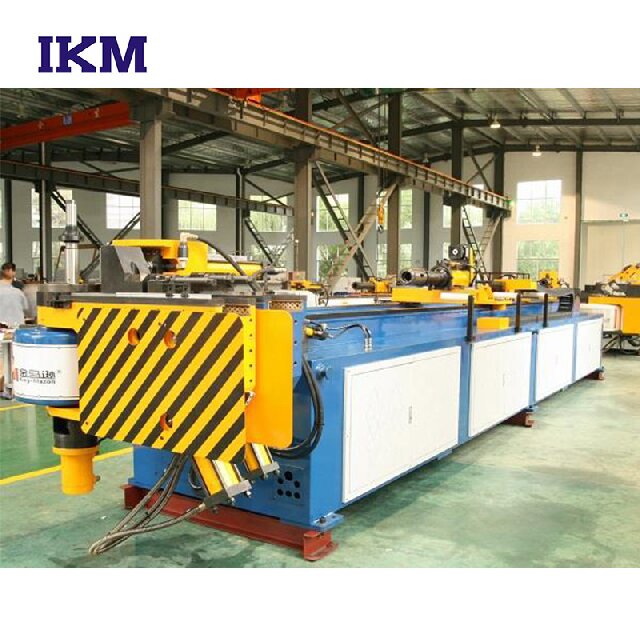
Manual tube benders are simple, affordable machines often used for small-scale projects or prototypes. These machines require the operator to manually apply force to bend the tube. While they offer low initial costs and portability, manual benders are less efficient for larger production runs or complex bends. They are best suited for light-duty work, such as bending small-diameter tubes or thin-walled materials.
Hydraulic tube benders are powered by pressurized fluid, providing greater force for bending tubes with larger diameters and thicker walls. These machines are highly versatile and can handle a wide range of materials. Hydraulic systems are known for their ability to generate significant bending power, making them ideal for industrial applications where precision and force are critical. They can bend tubes up to 180° and offer a high level of consistency.
CNC (Computer Numerical Control) tube benders are designed for high precision and automation. These machines use advanced control systems to automate the bending process, allowing for repeatable and complex bends. CNC tube benders are ideal for high-volume production where precision, speed, and consistency are key. They are often used in industries like automotive manufacturing, where complex geometries and high repeatability are required.
Electric and hybrid tube benders combine the benefits of hydraulic systems with electric motors. Hybrid models offer a balance of power and efficiency, while electric tube benders provide high precision and low energy consumption. These machines are often used in industries that require flexibility, fast setup times, and minimal maintenance. They are suitable for both light and heavy-duty applications, providing an excellent option for businesses that need versatility in their tube bending operations.
For small businesses or custom projects with low production volume, a manual or hydraulic tube bender might be the best option. These machines offer a balance of affordability and flexibility. While they may not be as fast or automated as CNC machines, they can still provide the precision needed for smaller runs or one-off custom parts. Hydraulic tube benders are particularly useful for low-volume production, offering more power and efficiency than manual machines.
For businesses with high production volumes, a CNC tube bender is the ideal choice. CNC machines automate the entire bending process, allowing for faster production times, higher precision, and less operator intervention. These machines are well-suited for mass production, especially when dealing with complex bends or multiple part types. Investing in a CNC tube bender ensures repeatability and can significantly reduce cycle times, which translates to higher productivity and profitability.
When choosing the right tube bender, balancing cost and speed is crucial. For high-speed operations, CNC or electric tube benders are the most efficient, but they come at a higher cost. Hydraulic tube benders, while slower, offer a more cost-effective solution for businesses that don’t require the level of automation and precision provided by CNC machines. Consider your production needs, budget, and long-term goals to determine the best equipment for your operation.
Precision is crucial in tube bending, especially in industries like aerospace and automotive. The table below shows the technical specifications and performance outcomes of different tube bender types in achieving tight tolerances, helping businesses choose the best equipment for precision requirements.
| Bender Type | Precision Range | Suitable Materials | Key Features | Technical Specifications | Efficiency & Performance | Considerations |
|---|---|---|---|---|---|---|
| Manual Hydraulic Tube Bender | ±1° to ±3° | Aluminum, Copper, Thin-walled Stainless Steel | Ideal for low-precision production | Lower precision, suitable for basic bending | Suitable for small batch production, lower efficiency, stable but less consistent | Not suitable for high-precision applications |
| Hydraulic Tube Bender | ±0.5° to ±1° | Medium Steel, Aluminum Alloys | Suitable for medium precision production | Medium precision, suitable for routine production tasks | Medium efficiency, suitable for varied production scales | Requires higher bending force, suitable for multiple materials |
| CNC Hydraulic Tube Bender | ±0.1° to ±0.5° | Titanium Alloys, Stainless Steel | High precision, ideal for high-precision applications | High precision control, supports automated adjustments | High efficiency, suitable for mass production, minimizes errors | Higher cost, ideal for precision and complex bends |
| Fully Electric CNC Tube Bender | ±0.05° to ±0.2° | High-strength Alloys, Stainless Steel | Maximum precision, ideal for complex applications | Highest precision and speed, automated programming | Extremely high efficiency, suitable for precision and complex multi-dimensional bends | Expensive, suitable for high-end market demands |
Tip:For high-precision tube bending, choosing a CNC hydraulic tube bender ensures the best consistency and repeatability.
Mandrel bending is a technique that uses an internal support (mandrel) to prevent the tube from collapsing or deforming during the bending process. Hydraulic tube benders equipped with mandrel support are ideal for achieving high-quality bends without compromising the integrity of the material. This technique is particularly useful for bending thicker-walled tubes or for applications that require smooth, wrinkle-free bends.
CNC tube benders ensure repeatability and consistency by storing bending programs and automatically executing them. This is especially important for high-volume production where each bend needs to be identical. CNC control systems can automatically adjust parameters such as bend angle, rotation, and feed speed to ensure that the tube is bent to the exact specifications, reducing human error and improving overall efficiency.
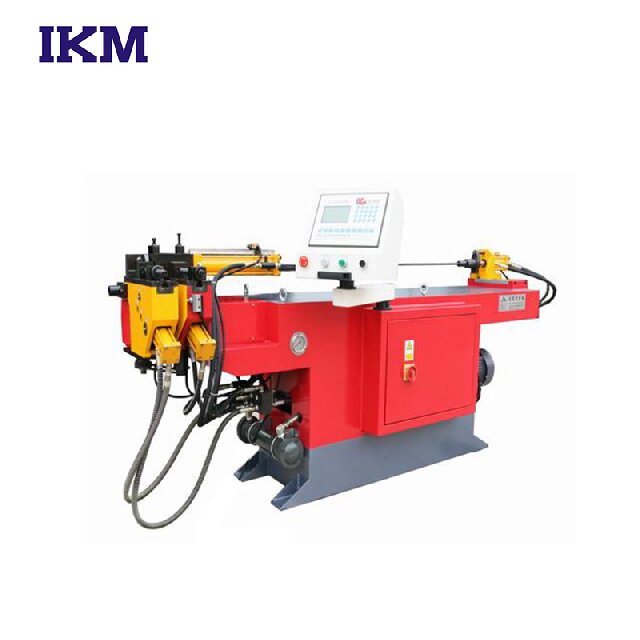
When selecting a tube bender, consider the amount of space available in your workshop. Larger machines like CNC tube benders may require significant floor space and specialized setup. Hydraulic and manual benders are generally more compact, making them suitable for smaller shops with limited space. Ensure that the machine you choose fits comfortably within your available workspace and can be easily integrated into your existing production line.
While the initial cost of a CNC tube bender may be high, it’s important to consider the long-term return on investment (ROI). CNC tube benders can dramatically reduce labor costs, improve cycle times, and increase production volume. Hydraulic benders, on the other hand, are a more cost-effective option for businesses that don’t require the automation and precision of CNC systems. Always evaluate the total cost of ownership, including maintenance, tooling, and energy costs, to ensure a wise investment.
Quick-change tooling systems can greatly improve production efficiency by reducing downtime between runs. Hydraulic tube benders with modular tooling systems allow operators to switch between different tube sizes and bending radii quickly, making them ideal for shops that handle multiple part types. This versatility is particularly beneficial for businesses that need to switch between various bending tasks without losing valuable production time.
When investing in a hydraulic tube bender, it’s essential to choose a supplier that offers reliable after-sales support. Look for manufacturers that provide training, troubleshooting assistance, and access to spare parts. A strong support network ensures that your equipment stays in top condition and that any issues are addressed quickly to minimize downtime.
Regular maintenance is key to extending the life of your tube bender. Hydraulic systems require periodic checks of fluid levels, seals, and pressure settings to ensure optimal performance. Preventive maintenance also helps to detect and resolve potential issues before they lead to costly repairs. Investing in routine maintenance can prevent unexpected breakdowns and keep your machine running smoothly for years.
Ensure that the manufacturer provides easy access to spare parts for your hydraulic tube bender. Availability of parts such as dies, mandrels, and seals is essential for minimizing downtime during maintenance or repairs. It’s also a good idea to check the cost and lead times for obtaining replacement parts to ensure that they won’t disrupt your production schedule.
Choosing the right hydraulic tube bender is crucial for meeting production goals, material specifications, and precision needs. Understanding the machine's capabilities, production volume, and maintenance requirements is key. Whether you require a manual, hydraulic, or CNC model, considering material type, bend radius, and automation needs will guide your decision. Zhejiang King-Mazon Intelligent Manufacturing Corp., Ltd. provides high-quality hydraulic tube benders with unmatched precision and versatility, ensuring your business achieves maximum efficiency and long-term success.
A: A Hydraulic Tube Bender is a machine that uses hydraulic pressure to bend metal tubes. It is ideal for bending thick-walled tubes and larger diameters, providing high force and precision.
A: The Hydraulic Tube Bender uses hydraulic fluid to generate pressure, which powers the bending process. It allows for smooth, accurate bends and is suitable for a wide range of materials, including stainless steel and aluminum.
A: A Hydraulic Tube Bender offers greater bending force, precision, and consistency compared to manual benders. It's ideal for larger production volumes and more complex, high-precision bends.
A: Hydraulic Tube Benders provide high bending force, precision, and flexibility. They are perfect for industrial applications, offering repeatable bends for large and complex projects, increasing efficiency and reducing errors.
A: Consider factors like material type, tube diameter, wall thickness, and required bend radius. For larger, thicker tubes, a Hydraulic Tube Bender with high force capabilities is ideal.
A: The cost varies depending on the model, features, and brand. Hydraulic Tube Benders range from a few thousand dollars for manual models to tens of thousands for CNC-equipped machines.
A: Yes, a Hydraulic Tube Bender can handle a wide range of materials, including steel, aluminum, and copper. The bending process can be adjusted depending on the material's properties and thickness.
A: Regular maintenance involves checking hydraulic fluid levels, cleaning components, and inspecting for wear. Proper maintenance ensures that the Hydraulic Tube Bender remains efficient and lasts longer.


