


Views: 0 Author: Site Editor Publish Time: 2025-06-18 Origin: Site


Pipe bending is a crucial process in manufacturing, plumbing, construction, and various other industries. It is used to shape pipes or tubes into specific angles or curves to fit precise requirements. Whether it’s for plumbing systems, structural frameworks, or automotive exhaust systems, pipe bending plays a key role in ensuring that the pipes perform as intended.
However, despite its importance, pipe bending is not without its challenges. From material deformation to equipment malfunction, manufacturers and operators often face a variety of obstacles that can hinder the efficiency and accuracy of pipe bending operations. In this article, we will discuss some of the most common challenges in pipe bending and how to overcome them, ensuring smooth, precise, and efficient operations.
One of the most common challenges in pipe bending is material deformation and distortion. When pipes are bent, the material undergoes stress that can cause issues such as wall thinning, ovality, or cracking. These problems are especially prevalent when working with harder or more brittle materials like steel or aluminum.
Wall Thinning: As the pipe is bent, the inside of the bend may experience compression, causing the material to thin out.
Ovality: This occurs when the pipe loses its round shape, resulting in an oval cross-section. Ovality often happens when there is uneven pressure during the bending process.
Cracking: In some cases, excessive force or incorrect heat treatment during bending can lead to cracks, especially with brittle materials.
Use Proper Equipment: Ensure that the pipe bending machine is suitable for the material you’re working with. For example, some machines are better suited for bending harder materials without causing distortion.
Use a Mandrel: A mandrel is a rod or support placed inside the pipe during the bending process to prevent deformation. It helps maintain the internal diameter and ensures that the pipe retains its shape.
Control Bending Speed and Pressure: Adjust the bending speed and pressure to minimize the risk of wall thinning or cracking. For more delicate materials, slower and controlled bending can help preserve the integrity of the pipe.
Choose the Right Bend Radius: The smaller the radius, the more likely the pipe is to experience deformation. Always follow the recommended minimum bend radius for the material you are working with to reduce the risk of damage.
Achieving the desired bend angle and radius is critical in pipe bending operations. However, inaccurate bends are a common issue, which can lead to wasted material, rework, and delays. Poorly bent pipes can affect the overall design and functionality of the final product, especially in industries like aerospace, automotive, and construction.
Improper Machine Calibration: If the pipe bending machine is not properly calibrated, the bends may not match the intended specifications.
Human Error: In manual or semi-automatic pipe bending, the operator’s skills and experience play a significant role in achieving accurate bends. Even small miscalculations can lead to inaccuracies.
Material Variability: Variations in material thickness or composition can affect how the pipe bends, leading to slight inaccuracies.
Invest in CNC Pipe Bending Machines: Computer Numerical Control (CNC) machines provide a high level of precision. They use computer programs to control the bending process, reducing the risk of human error and ensuring accurate, repeatable bends.
Regular Calibration: Ensure that your pipe bending machine is properly calibrated and maintained. Regular checks of the machine’s settings, including the bend angle, pressure, and speed, can help maintain accuracy.
Use Measuring Tools: Always use proper measuring tools, such as angle gauges or protractors, to verify the bend during the process. This helps catch any inaccuracies before the pipe is fully bent.
Pipe buckling occurs when the pipe collapses under pressure during the bending process. This is often seen in thinner pipes or those with larger diameters. Buckling can cause a significant loss of material and render the pipe unusable, especially when dealing with lightweight materials like aluminum or PVC.
Excessive Pressure: Too much force applied during the bending process can cause the pipe to buckle. This is more common when bending pipes with thinner walls or larger diameters.
Improper Use of Dies: If the bending dies are not designed to distribute force evenly along the length of the pipe, it can lead to localized pressure that causes the pipe to buckle.
Use a Mandrel or Support: Inserting a mandrel inside the pipe during bending helps support the pipe and prevent buckling. The mandrel ensures that the internal diameter remains constant, preventing collapse.
Control the Bending Force: Make sure to use the correct amount of pressure during the bending process. Excessive force can lead to buckling, while too little force may result in insufficient bending. Finding the right balance is key.
Select the Right Die and Tooling: Using the proper dies for the pipe’s material and diameter is crucial in preventing buckling. The die should be designed to distribute force evenly and minimize stress on the pipe.
A poor surface finish on a bent pipe can affect both the appearance and functionality of the final product. Scratches, marks, and other surface imperfections can occur during the bending process, particularly when the pipe is not handled properly or the machine is not well-maintained.
Friction and Contact: As the pipe moves through the bending die, friction can cause scratches or marks on the surface, especially if the die is worn or dirty.
Incorrect Lubrication: Lack of lubrication or improper lubrication during the bending process can cause increased friction and wear on the pipe’s surface.
Use Proper Lubrication: Lubrication helps reduce friction and prevent marks on the pipe’s surface. Choose a lubricant that is appropriate for the material being bent and apply it evenly throughout the process.
Maintain Clean Dies: Regularly clean the bending dies to remove dirt, debris, and buildup that could damage the pipe’s surface. A clean die ensures smooth, even bending and a better surface finish.
Polish the Pipe After Bending: After bending, consider polishing the pipe to remove any surface imperfections. This is especially important for pipes used in visible or high-end applications where appearance matters.
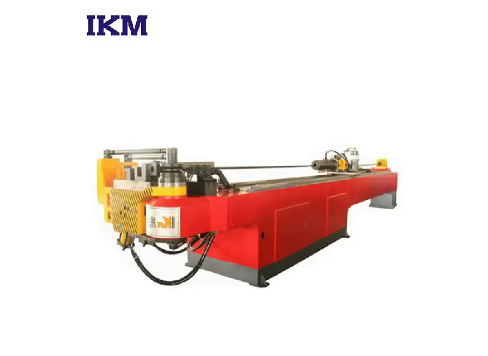
Machine downtime due to malfunction or poor maintenance can lead to significant delays in production. If a pipe bending machine is not well-maintained, it may experience breakdowns, which could result in long repair times and production halts.
Lack of Preventative Maintenance: Neglecting regular maintenance can cause machine components to wear out prematurely or break down unexpectedly.
Overuse or Underuse: Overuse of the machine without proper care can lead to wear and tear, while underuse may cause the machine to become less efficient over time.
Poor Machine Calibration: Incorrect calibration or misalignment of machine parts can cause operational inefficiencies and breakdowns.
Implement a Preventative Maintenance Schedule: Regularly inspect and maintain the machine, including lubrication, calibration, and part replacement. Scheduled maintenance can help detect potential issues before they become major problems.
Train Operators: Well-trained operators who understand the machine’s functions can prevent common issues caused by improper handling or misuse. Ensuring that your team is trained on the best practices for using the machine can reduce the likelihood of mechanical issues.
Monitor Machine Performance: Keep track of the machine’s performance over time. If any part of the machine starts to show signs of wear or malfunction, address the issue promptly to avoid further damage.
Pipe bending machines can sometimes be limited in the types of materials they can handle. For example, some machines may struggle to bend hard metals like stainless steel or titanium, while others might be optimized for specific materials like aluminum or PVC.
Choose a Versatile Machine: When purchasing a pipe bending machine, choose one that offers versatility in material compatibility. A machine capable of bending various materials will increase the overall flexibility of your operations.
Use the Right Dies and Tools: Different materials require different dies and tools. Make sure your machine is equipped with the correct tooling for the material you are working with to prevent damage and ensure smooth bending.
Pipe bending operations come with their fair share of challenges, but understanding these common issues and knowing how to overcome them is crucial for maintaining efficiency and ensuring quality results. By addressing issues such as material deformation, inaccurate bends, pipe buckling, poor surface finishes, and machine maintenance, manufacturers can improve their bending processes and achieve better outcomes.
Investing in proper maintenance, using the right equipment, and employing best practices will help ensure that your pipe bending operations run smoothly and efficiently, minimizing downtime and production delays. Whether you're working with metals, plastics, or other materials, the right approach to pipe bending can lead to higher-quality products, fewer errors, and reduced operational costs.
For businesses looking for reliable and high-quality pipe bending solutions, Zhejiang King-Mazon Intelligent Manufacturing Corp., Ltd. offers advanced, durable, and versatile pipe bending machines. Their machines are designed to handle a wide variety of materials and bending challenges, ensuring optimal performance and efficiency in your manufacturing operations.


