


Views: 0 Author: Site Editor Publish Time: 2025-06-23 Origin: Site


In the manufacturing industry, particularly in sectors like construction, automotive, aerospace, and plumbing, pipe bending is a critical process. Whether you're crafting simple curves or complex shapes, a pipe bending machine is essential for creating high-quality bends in a wide variety of materials. The right pipe bending machine not only enhances production efficiency but also ensures that your products meet industry standards for strength and precision.
Choosing the right pipe bending machine can be challenging, especially with the variety of options available on the market. In this article, we’ll explore the key factors to consider when selecting a pipe bending machine, helping you make an informed decision to meet your manufacturing needs.
A pipe bending machine is used to bend pipes into various shapes and angles without compromising the structural integrity of the material. Whether you need to create custom exhaust pipes, frame structures, or plumbing pipes, these machines help achieve bends with precise radii and angles.
Pipe bending machines come in various forms, each suitable for different materials, production volumes, and bending requirements. Some machines are designed for tight, precise bends, while others are built for larger, bulk production runs. To choose the best pipe bending machine for your needs, it’s essential to consider the type of materials you are working with, the complexity of the bends, the required production speed, and your budget.
Here are the most important factors to evaluate before purchasing a pipe bending machine:
The first factor to consider is the type of bending method you need. Different types of pipe bending machines operate using various bending techniques, and choosing the right one depends on your project’s needs. Some of the most common methods include:
Rotary draw bending is typically used for precise and complex bends. This method involves a bending die, pressure die, and a mandrel that holds the pipe in place, ensuring consistent and accurate results. It is ideal for small to medium-sized pipes and provides high precision, especially for tight radius bends.
Roll bending is generally used for larger pipes and more gradual bends. The pipe is passed through three rollers that apply pressure to bend it. This method is most suited for large-diameter pipes or when you need to create gentle curves.
Press bending is ideal for mass production and less-precise applications. A hydraulic or mechanical press applies force to a pipe, which is bent over a die. This method works best for thicker materials and lower-precision bends.
Induction bending uses heat to soften the pipe before bending. This method allows for bending thicker materials and larger pipe sizes without the risk of cracking. Induction bending is perfect for pipelines in industries like oil and gas, where strength and durability are crucial.
Different materials require different bending techniques, so it’s essential to ensure that the pipe bending machine you choose is compatible with the types of materials you work with. Common materials for pipe bending include:
Steel: Steel pipes are commonly bent, and many pipe bending machines can handle steel, whether it’s carbon steel, stainless steel, or alloy steel.
Aluminum: Aluminum is a lightweight material that is often bent in industries like automotive and aerospace. It requires more precise bending techniques to prevent distortion.
Copper: Copper pipes are commonly used in plumbing, HVAC systems, and electrical applications. Copper is softer and more prone to damage during bending, so you need a machine that can handle it without kinking or cracking.
Plastic: Plastic pipes, like PVC or PEX, require different techniques than metal pipes. They are more sensitive to heat and need to be bent at lower temperatures to avoid damage.
Make sure the bending machine you choose is capable of handling the material you plan to use, especially if you work with multiple materials. Some machines are designed to be versatile and can handle different materials by adjusting settings like pressure, temperature, and speed.
Another crucial factor when choosing a pipe bending machine is the pipe size you need to work with. The machine must be able to handle the pipe’s diameter and wall thickness. If you're working with larger or thicker pipes, you will need a more robust machine that can handle the increased pressure required for bending.
Smaller pipes (1 inch to 4 inches) can typically be bent with most standard machines.
Larger pipes (6 inches or more) require machines with higher torque and bending capacity.
Thicker-walled pipes require more powerful machines to avoid collapsing during the bending process. The bending machine must be capable of applying enough force to handle these thicker materials without damaging the pipe.
The bend radius refers to the radius of the curve that the pipe will follow when bent. A smaller bend radius is needed for tighter curves, while larger bend radii are used for more gradual curves. The machine you choose should be capable of achieving the specific bend radius required for your project.
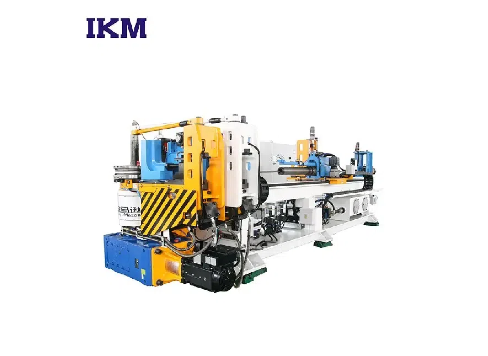
If your project requires tight tolerances and precise bends, you need a machine that offers high accuracy. The most advanced pipe bending machines use computer numerical control (CNC) technology, which allows for precise control over the bending process. This is especially important for industries where even a slight deviation in the bend can lead to failure, such as aerospace, automotive, and medical applications.
These machines use automated control systems to ensure each bend is precise and consistent. They allow for quick adjustments, which is essential when working with different materials or pipe sizes.
CNC-controlled machines also offer higher repeatability, meaning they can produce the same bend multiple times without variation in quality.
Another factor to consider is how fast you need to produce your pipe bends. High-speed production may be necessary for large-scale manufacturing or for applications where quick turnaround times are required.
Manual Machines: These machines require human intervention to position the pipe and control the bending process. They are typically slower and less efficient but can be sufficient for low-volume production.
Automatic or Semi-Automatic Machines: These machines are faster and more efficient. They are typically used for high-volume production runs, where speed and consistency are critical.
Consider the cycle time of the machine. The cycle time refers to how long it takes to complete one bending operation. A shorter cycle time means more products can be bent in less time, improving overall efficiency.
Cost is always a significant consideration when purchasing machinery. Pipe bending machines can range from a few thousand dollars for basic manual machines to tens of thousands of dollars for high-end CNC models with advanced features.
When deciding on a machine, consider:
The upfront cost of the equipment.
Ongoing maintenance and operational costs.
The potential for increased production and efficiency, which can justify a higher initial investment.
Remember, purchasing a cheaper machine may reduce your initial expenses, but it might not offer the same precision or longevity as a higher-quality machine, leading to more frequent repairs and lower production rates in the long run.
Finally, you should evaluate the availability of maintenance and support for the pipe bending machine you choose. A machine that is reliable and easy to maintain will minimize downtime and keep production running smoothly.
Look for manufacturers that offer:
Comprehensive warranties.
Customer support services, such as troubleshooting and repairs.
Training to ensure your team can operate the machine correctly and efficiently.
A well-maintained machine can last for many years, so it’s essential to choose a model with a solid track record for reliability.
Choosing the right pipe bending machine for your manufacturing needs is a decision that requires careful consideration of several factors, including the type of bending method, material compatibility, pipe size and bend radius, precision, production speed, cost, and available support. By evaluating these factors, you can select a machine that not only meets your immediate needs but also supports your long-term production goals.
For high-quality and reliable pipe bending machines that meet the demands of various industries, Zhejiang King-Mazon Intelligent Manufacturing Corp., Ltd. offers state-of-the-art solutions. With their expertise in intelligent manufacturing and commitment to quality, King-Mazon provides machines that ensure precision, efficiency, and durability, making them a trusted partner for businesses around the world.


