


Views: 0 Author: Site Editor Publish Time: 2025-09-16 Origin: Site


In today’s industrial and manufacturing landscape, the ability to accurately bend metal pipes is critical for a wide variety of applications. From plumbing systems and automotive components to furniture frames and structural projects, pipe bending machines play an essential role in shaping metal tubes with precision, efficiency, and consistency. For workshop owners, fabricators, and engineers, investing in a high-quality pipe bending machine is not just about buying a piece of equipment—it is about ensuring productivity, safety, and long-term cost-effectiveness.
Selecting a pipe bending machine can be challenging, particularly for beginners, because there are numerous types and models, each with different capabilities, designs, and price points. Understanding the key features that define a high-quality machine is crucial to making an informed decision. This guide explores the essential attributes to look for in a pipe bending machine, the benefits of these features, and how they contribute to overall performance and reliability.
One of the most important features of a high-quality pipe bending machine is its ability to produce precise and consistent bends. Precision is critical in industries where pipe angles and curves must meet strict specifications. Machines that offer high accuracy ensure that each bend matches the intended design, reducing the need for rework and minimizing material waste.
High-quality machines often come with CNC (computer numerical control) systems or digital angle displays, which allow operators to program specific bending angles and radii. This automation reduces human error and ensures repeatable results across multiple pipes. Even in manual or semi-automatic machines, a well-engineered die system and smooth movement mechanisms contribute significantly to bending accuracy.
Durability is another critical factor when evaluating a pipe bending machine. A high-quality machine is constructed from robust materials such as heavy-duty steel, ensuring it can withstand the stress of bending thick pipes and continuous operation over time. Strong structural components prevent warping, vibration, and mechanical failures during use, which enhances both safety and performance.
The longevity of a pipe bending machine also depends on the quality of its internal components, including gears, bearings, hydraulic systems, and motors. Machines with precision-engineered components require less maintenance, experience fewer breakdowns, and deliver consistent performance over years of operation.
A versatile pipe bending machine is capable of handling a variety of materials, diameters, and wall thicknesses. Metals such as stainless steel, aluminum, copper, and mild steel each have different bending characteristics, and a high-quality machine should accommodate these variations without compromising performance.
Additionally, the machine should be compatible with different bending dies or rollers, allowing for a range of bend radii and angles. This flexibility is especially important in workshops or production environments where multiple pipe sizes and shapes are required. Machines with interchangeable dies or adjustable components expand their usability, making them a better investment over time.
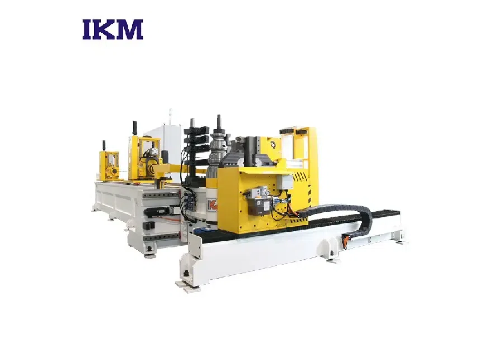
Pipe bending machines are typically powered manually, hydraulically, or electrically. Each power source has its advantages, but high-quality machines are designed to maximize efficiency regardless of the method.
Manual machines are suitable for smaller workshops or occasional bending tasks. They should feature smooth, ergonomic mechanisms to minimize operator fatigue and ensure consistent bends.
Hydraulic machines use fluid pressure to deliver high bending force, making them ideal for thick-walled pipes or high-volume operations. A high-quality hydraulic system ensures smooth operation, minimal leakage, and precise control over bending speed and force.
Electric machines often combine motors with CNC systems for automated bending, offering speed, accuracy, and repeatability. Efficient power systems reduce energy consumption while maintaining consistent performance. In all cases, a machine that optimizes power delivery and minimizes wasted energy provides better long-term value.
Safety is a non-negotiable aspect of a high-quality pipe bending machine. Working with heavy metal pipes carries inherent risks, and machines should be designed to protect operators.
Key safety features include:
Emergency stop buttons to immediately halt operation in case of danger.
Protective guards around moving parts to prevent accidental contact.
Secure clamping systems to hold pipes firmly in place during bending.
Overload protection mechanisms to prevent the machine from operating beyond its safe capacity.
A machine with integrated safety features not only protects workers but also reduces the risk of damage to the pipes or the machine itself.
High-quality pipe bending machines should be intuitive and user-friendly, allowing operators to achieve precise results without extensive training. Clear control panels, adjustable settings, and digital interfaces improve ease of operation.
CNC machines often feature programmable memory, enabling operators to store multiple bending sequences for repeated tasks. This reduces setup time, improves efficiency, and minimizes human error. Even manual and hydraulic machines benefit from ergonomic designs, simple adjustment mechanisms, and clearly marked guides to ensure consistent results.
A machine’s long-term performance depends on its ease of maintenance. High-quality pipe bending machines are designed for simple servicing, with components that are easy to access, lubricate, or replace. Machines with readily available spare parts reduce downtime and keep workshops running efficiently.
Routine maintenance tasks include checking hydraulic fluid levels, cleaning dies and rollers, lubricating moving parts, and inspecting electrical connections. Machines designed with maintenance in mind save time and costs, ensuring longevity and reliability.
The bending capabilities of a machine define its usefulness in a workshop. Key considerations include:
Bending radius range: The machine should support both tight and large-radius bends, depending on project requirements.
Angle flexibility: High-quality machines can achieve precise angles without compromising pipe integrity.
Wall thickness capacity: The machine should handle the intended pipe thickness consistently.
Repeatability: The ability to reproduce identical bends across multiple pipes is crucial for production efficiency.
A machine that excels in these capabilities ensures high-quality results across a wide variety of applications.
Depending on your workshop size and layout, portability can be an important factor. Manual and smaller electric machines are often portable, allowing flexibility in positioning and use. Larger hydraulic or CNC machines may require dedicated floor space, stable foundations, and adequate electrical or hydraulic connections.
Considering the machine’s footprint, weight, and mobility ensures that it fits well into your workshop without obstructing other operations or requiring significant modifications to the workspace.
While price is always a factor, choosing a machine based solely on cost can be risky. High-quality machines may have higher initial investment costs but often offer better durability, precision, and efficiency, resulting in long-term savings. A reliable machine reduces material waste, minimizes downtime, and improves productivity, making it a more cost-effective choice over time.
Balancing budget with performance, safety, and features ensures that your investment delivers maximum value for your workshop.
High-quality pipe bending machines are used across multiple industries. In automotive manufacturing, they bend exhaust systems, chassis components, and hydraulic lines. In construction, they shape plumbing pipes, HVAC systems, and structural frameworks. Furniture manufacturers use these machines to create tubular frames and ergonomic designs, while industrial fabrication workshops rely on them for handrails, piping systems, and machine components.
The versatility of a high-quality pipe bending machine allows workshops to handle a wide range of materials, diameters, and bending requirements, making it an indispensable tool for modern manufacturing.
Choosing a high-quality pipe bending machine requires careful consideration of multiple features, including precision, build quality, versatility, power source, safety, ease of operation, maintenance, bending capabilities, and workspace compatibility. A machine that excels in these areas ensures accuracy, productivity, and long-term reliability while protecting operators and minimizing material waste.
Investing in a high-quality pipe bending machine not only improves workshop efficiency but also ensures consistent, professional results across a wide range of applications. For workshops seeking reliable, advanced, and durable solutions, Zhejiang King-Mazon Intelligent Manufacturing Corp., Ltd. offers a range of pipe bending machines designed to meet the highest standards of precision, safety, and versatility, making them a trusted choice for industrial and manufacturing operations worldwide.


