


Views: 0 Author: Site Editor Publish Time: 2025-07-02 Origin: Site


Pipe bending is a fundamental process in many industries, including construction, automotive, plumbing, and aerospace. The pipe bending process allows manufacturers and fabricators to shape pipes into specific angles and curves to meet various design and functionality requirements. Pipe bending machines are essential tools that help achieve these bends with precision and efficiency.
In this article, we will explore the pipe bending process, breaking down the various steps and techniques involved. We’ll also discuss the types of pipe bending machines, their applications, and best practices for ensuring a successful bending operation.
A pipe bending machine is a specialized piece of equipment used to bend pipes into specific angles or curves without compromising the integrity of the material. These machines apply force and pressure to the pipe, causing it to deform in a controlled manner. The machine ensures that the pipe maintains its structural integrity while achieving the desired bend radius and angle.
Pipe bending machines come in various forms, including manual, semi-automatic, and automated machines. These machines can handle pipes made of various materials, such as steel, aluminum, copper, and plastic, depending on the type of bending process and the machine’s specifications.
Before diving into the pipe bending process itself, it’s important to understand the different types of pipe bending machines. The choice of machine depends on the production needs, the material of the pipes, and the required precision. The main types of pipe bending machines include:
Manual Pipe Bending Machines:
These machines are operated by hand and are ideal for small-scale operations or low-volume production. Manual machines are simple, cost-effective, and flexible, making them a good choice for businesses that need to bend pipes occasionally or in custom configurations.
Semi-Automatic Pipe Bending Machines:
These machines combine some level of automation with manual operation. Operators are still involved in setting up and loading pipes, but the bending process itself is automated, making it faster and more consistent than manual machines.
CNC Pipe Bending Machines (Automated):
CNC (Computer Numerical Control) pipe bending machines are fully automated and use computer software to control the bending process. These machines offer high precision, repeatability, and efficiency, making them ideal for large-scale production runs and complex bends. CNC machines are highly flexible and can bend pipes with tight radii and multiple angles.
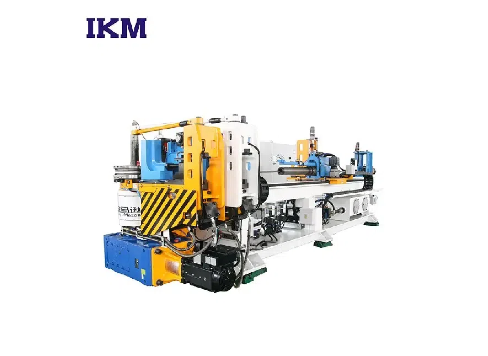
The process of pipe bending involves several key steps that ensure the pipe is shaped correctly and efficiently. The bending process may vary slightly depending on the type of machine and the material being used, but the general steps remain consistent across most operations.
The first step in the pipe bending process is selecting the right pipe material. Pipes are made from a variety of materials, each with its own properties and bending characteristics. Common materials used in pipe bending include:
Steel: Steel is one of the most common materials for pipe bending. It is durable, versatile, and widely used in construction and industrial applications.
Aluminum: Aluminum is lightweight and easy to bend, making it ideal for applications in aerospace and automotive industries.
Copper: Copper pipes are often used in plumbing systems. They are soft and flexible, allowing for easy bending without cracking or breaking.
PVC and Other Plastics: These materials are often used in plumbing and irrigation systems. They require specific bending techniques to avoid cracking.
Choosing the right material ensures that the pipe can be bent efficiently and without damaging the structure or integrity of the material.
Before the bending process begins, the pipe must be prepared properly. This preparation includes:
Measuring and Marking: The operator measures the length of the pipe and marks the points where bends will occur. These measurements are critical to achieving accurate and precise bends.
Cutting the Pipe: If necessary, the pipe may be cut to the desired length using cutting tools or machines. The cut must be smooth and clean to avoid any issues during bending.
Cleaning the Pipe: Any dirt, oil, or grease on the pipe should be cleaned off to ensure that the bending process goes smoothly. Clean pipes are also less likely to cause issues with the machine or the bending dies.
Once the pipe is prepared, it is loaded onto the pipe bending machine. The machine may have different setups for holding the pipe, depending on the type of machine:
Manual Benders: In manual machines, the pipe is placed by hand into the machine and positioned for bending.
CNC and Semi-Automatic Benders: In automated systems, the machine may load the pipe automatically, using clamps or guides to hold it in place. The machine will then adjust to the required settings before proceeding.
Once the pipe is loaded, the operator sets the machine for the desired bend. This includes:
Selecting the Bend Angle: The operator specifies the angle at which the pipe needs to be bent. This could range from small angles (such as 45° or 90°) to more complex curves for specific applications.
Adjusting the Bending Radius: The bending radius refers to the curve of the bend. A smaller radius requires more force, while a larger radius may be more forgiving. The machine must be set to the correct radius to avoid material deformation.
Choosing the Right Die: The bending dies must be selected based on the pipe’s diameter and thickness. The die helps form the pipe into the correct shape while maintaining pressure to avoid buckling or distortion.
With the machine set and the pipe in position, the bending process begins. There are various methods used to apply force to the pipe:
Rotary Draw Bending: The pipe is pulled around a fixed bending die. This method is precise and is often used for tight radii and small diameter pipes.
Roll Bending: In roll bending, the pipe passes through three rollers that apply pressure to create the bend. This method is typically used for larger pipes or less complex bends.
Press Bending: A hydraulic press is used to apply force to the pipe, pressing it against a die. This method is often used for low-precision jobs but can be effective for thicker pipes.
Induction Bending: For more complex bends, induction heating is used to soften the pipe material before it is bent. This technique is commonly used for large-scale pipe bending in industries like oil and gas.
During the bending process, the machine applies force in a controlled manner to shape the pipe according to the pre-set parameters. The process is generally slow and controlled to prevent the pipe from becoming deformed or damaged.
After the pipe is bent, it must be allowed to cool, particularly if it was heated during the bending process (as in the case of induction bending). Cooling helps the pipe maintain its shape and ensures that the material is stable.
Once the pipe has cooled, it is carefully unloaded from the machine. For automated systems, the machine may have an unloading mechanism that moves the bent pipe to a separate location for further processing.
After the pipe is bent, it undergoes a final inspection to ensure it meets the required specifications. The inspection process may include:
Measuring the Bend Angle and Radius: The bend is checked for accuracy using measuring tools, such as protractors or digital angle gauges.
Visual Inspection: The pipe is visually inspected for any surface defects, cracks, or signs of deformation.
Testing the Pipe’s Integrity: In some cases, the bent pipe may undergo stress testing or other forms of testing to ensure that it will perform well under real-world conditions.
Pipe bending machines are vital for ensuring that pipes are shaped accurately and efficiently for their intended purpose. They offer several key advantages:
Precision: Pipe bending machines provide a high level of precision, ensuring that each bend is consistent and accurate, reducing the need for rework.
Efficiency: Automated machines, in particular, increase production speed and reduce labor costs, allowing manufacturers to produce large quantities of pipes in less time.
Flexibility: Depending on the machine’s capabilities, pipe bending machines can handle a wide variety of materials, sizes, and bending angles, making them versatile for different applications.
Cost-Effectiveness: By reducing the need for manual labor and minimizing errors, pipe bending machines help businesses save money in the long run.
The process of using a pipe bending machine is essential for achieving precise bends in various industries. From selecting the right material and setting up the machine to performing the bending and conducting quality checks, each step ensures the final product meets standards. Whether using manual, semi-automatic, or fully automated machines, understanding the process helps achieve high-quality, efficient results.
Investing in the right pipe bending machine is crucial for any business involved in pipe fabrication. With proper equipment and maintenance, pipe bending operations can be both effective and cost-efficient. For high-quality, reliable machines, Zhejiang King-Mazon Intelligent Manufacturing Corp., Ltd. offers advanced solutions focused on precision and durability, helping your business achieve superior quality in every bend.


