


Views: 0 Author: Site Editor Publish Time: 2025-12-01 Origin: Site


Bending plays a crucial role in various industries like construction, automotive, and manufacturing, where pipes and tubes need to be shaped to fit specific designs and functional requirements. In construction, bending is essential for creating strong, durable frameworks and piping systems. In the automotive industry, precision bending is key for exhaust systems, roll cages, and other components. In manufacturing, tube and pipe bending allows for efficient production of custom parts used in everything from machinery to medical devices. Two main types of bending tools—pipe benders and tubing benders—are commonly used in these applications. While both tools serve the purpose of bending, pipe benders are generally designed for thicker, larger-diameter pipes, and tubing benders are used for thinner, more flexible tubes that require higher precision. Understanding the differences between these two tools is essential for selecting the right one for a specific project, ensuring optimal results in terms of material handling, precision, and functionality.
A pipe bender is a tool specifically designed for bending pipes, typically those with thicker walls and larger diameters. Unlike tubing benders, which are intended for thinner materials, pipe benders are built to handle the higher forces required for bending more rigid and heavy-duty pipes.
Pipe benders are commonly used in plumbing, construction, and industrial settings. They are essential for bending pipes used in plumbing systems, structural frameworks, HVAC systems, and other heavy-duty applications. These benders allow pipes to be shaped to fit within complex systems, providing flexibility in pipe installation and structural design.
Stronger Bending Force: Pipe benders are built to apply greater force, allowing them to handle thicker and more rigid materials like steel, copper, and PVC.
Larger Bending Radius: Due to the thicker pipe walls, pipe benders typically require a larger bending radius compared to tubing benders. This helps prevent pipe deformation and maintains the structural integrity of the material.
A tubing bender is a tool designed for bending tubes, typically with thinner walls and smaller diameters compared to pipes. It is specifically built for materials that require more precise handling, such as aluminum, stainless steel, or other lightweight metals, which are commonly used in industries requiring high levels of accuracy.
Tubing benders are widely used in industries like aerospace, automotive, and manufacturing. In aerospace, tubing benders are used to shape components like fuel lines and hydraulic systems. In the automotive industry, they are essential for bending exhaust pipes, roll cages, and other parts that require precision. In manufacturing, tubing benders are often employed to create custom components for machinery, medical devices, and high-performance products.
Precision and Control: Tubing benders provide more control and accuracy than pipe benders, making them ideal for bending smaller, thinner materials.
Intricate Bends: These benders allow for tighter bending radii, making them perfect for intricate bends and designs where precision is crucial.
Versatility: Tubing benders can handle a variety of tube materials and sizes, offering flexibility for various applications.
Pipe Benders: Designed for handling thicker, more rigid pipes, such as those made from steel, copper, or PVC. These benders are built to apply more force to bend heavier materials without damaging them.
Tubing Benders: Optimized for thinner, more flexible tubes, typically used with materials like aluminum, stainless steel, or copper tubing. These benders offer more finesse and control over delicate materials.
Pipe Benders: While effective for heavy-duty bending tasks, pipe benders generally lack the level of precision required for intricate bends. They focus more on applying force to handle larger pipes, often at the cost of fine control.
Tubing Benders: Offer greater precision and control, making them ideal for more complex and delicate bends. This makes them well-suited for applications that demand high accuracy, such as in the aerospace or automotive industries.
Pipe Benders: Typically require a larger bending radius, suitable for thicker pipes that cannot be bent too tightly without damaging the material. A larger radius helps maintain the pipe’s structural integrity during the bending process.
Tubing Benders: Allow for tighter, more controlled bends, ideal for tubing applications where compact shapes or intricate designs are necessary. Tubing benders can create sharper curves while minimizing the risk of deforming the material.
Pipe Benders: More suited for structural or heavy-duty applications, such as in plumbing, construction, or industrial piping systems. These benders are used when the goal is to bend thicker, more rigid pipes in large-scale installations.
Tubing Benders: Used in more delicate, detailed work, such as in aerospace, automotive, or medical device manufacturing. These benders are essential for creating high-precision, small-scale bends that require fine control.
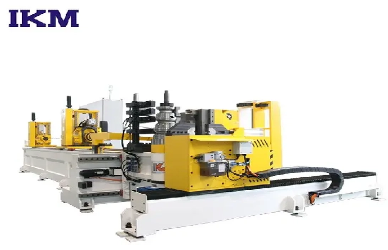
Pipe benders are specifically designed for handling large, thick-walled pipes, which are commonly used in industries like plumbing, construction, and industrial systems. These benders are built to handle the significant force required to bend rigid materials such as steel, copper, and PVC pipes without causing damage. They are ideal for projects that demand strength and durability, where the pipes need to support substantial weight or pressure.
Some common pipe bender use cases include:
Plumbing: Pipe benders are often used for bending pipes that carry water, gas, or waste in residential and commercial buildings, ensuring smooth and precise fits for plumbing systems.
Construction: In construction, pipe benders are employed to shape pipes for structural systems, scaffolding, HVAC installations, and other systems that require strong and reliable bends for heavy-duty use.
Industrial Systems: Pipe benders are crucial in creating piping systems for factories, power plants, and large-scale industrial applications where large pipes are used to transport materials, liquids, or gases under pressure.
Tubing benders, on the other hand, are best suited for smaller, thinner tubes that require precision and fine control. These benders are typically used in industries that demand high accuracy and intricate bends, such as aerospace, automotive, and medical device manufacturing. Tubing benders excel in applications where the bends need to be tight, smooth, and often made in thin-walled materials.
Some common tubing bender use cases include:
Aerospace: In the aerospace industry, tubing benders are essential for bending fuel lines, hydraulic lines, and structural components of aircraft. Precision is critical in these applications to ensure that parts fit perfectly within tight spaces and function properly under extreme conditions.
Automotive: Tubing benders are often used to shape exhaust pipes, roll cages, and other custom parts where precision is paramount. These applications require tight-radius bends that must be done accurately to ensure the parts are both functional and safe.
Medical Devices: In the medical field, tubing benders are used to create small, precise tubes for instruments and medical equipment. These tubes need to be bent with high accuracy to meet stringent requirements for safety and performance.
While tubing benders are primarily designed for thinner, more flexible tubes, they can sometimes be used for smaller pipes made of softer materials like aluminum. However, tubing benders are not ideal for larger, thicker pipes because they lack the necessary force and larger bending radius needed for rigid materials like steel or PVC. Using a tubing bender for pipes can result in damage or inaccurate bends, so it's best to use a pipe bender for larger, thicker materials.
Pipe benders can work with a variety of materials, including steel, copper, and PVC, but their effectiveness can vary depending on the material’s thickness and rigidity. For example, steel pipes require a stronger bender with greater force to achieve a smooth bend, while PVC pipes are more flexible and easier to bend. Copper pipes can be bent with a pipe bender, but care must be taken to avoid kinking or cracking, especially with thinner walls.
Yes, tubing benders are typically designed for smaller tubes, usually with diameters ranging from 1/8 inch to a few inches. Tubing benders are best suited for thin-walled materials like aluminum or stainless steel, and they can struggle with larger diameter or thicker-walled tubes. In contrast, pipe benders can handle larger, thicker materials and wider diameters, making them more suitable for heavy-duty applications.
Pipe benders are generally not suitable for achieving tight-radius bends. Because they are designed for larger, thicker pipes, they require a larger bending radius to prevent damage such as kinking or cracking. Tubing benders, on the other hand, are specifically built to handle tight-radius bends with more control and precision, making them ideal for smaller tubes that require intricate bends.
Understanding the differences between pipe benders and tubing benders is crucial for selecting the appropriate tool for your specific application. Pipe benders are designed to handle larger, thicker pipes, making them ideal for plumbing, construction, and industrial systems, where strength, durability, and larger bending radii are essential. In contrast, tubing benders are optimized for smaller, thinner tubes, offering greater precision and control for intricate bends. These are particularly valuable in aerospace, automotive, and medical device manufacturing, where tight bends and high accuracy are critical. By selecting the right bender for your material type and project needs, you can ensure better results, avoid damage to materials, and achieve the necessary precision for efficient and successful tube and pipe bending operations.


