


Views: 0 Author: Site Editor Publish Time: 2026-01-20 Origin: Site


A hydraulic tube bender is a must-have for anyone looking to make precise tube bends. Whether you're working on automotive frames, roll cages, or architectural structures, this tool is essential. In this guide, we’ll cover the key components and steps to make your own hydraulic tube bender. You’ll learn how to build it from scratch and gain insights on materials, design, and technique.
The hydraulic power unit (HPU) plays a crucial role in the functioning of a hydraulic tube bender. It provides the force required to bend the tube by using a hydraulic ram. The system includes a fluid reservoir, pump, and control valves that regulate the pressure and flow. Compared to manual benders, hydraulic benders offer greater control and the ability to bend thicker and stronger materials with ease. The main advantage of a hydraulic system is that it generates a significant amount of force with relatively low operator effort, making the process more efficient.
The frame is the backbone of the hydraulic tube bender. It must be sturdy and able to handle the immense forces generated during the bending process. For a reliable machine, heavy-duty materials like A36 steel should be used. The frame can be designed in either a vertical or horizontal orientation, each with its benefits. Vertical frames save space, while horizontal frames allow better support for longer tubes. Reinforcement, such as gussets or "V-shaped" fillet plates, is essential to prevent the frame from flexing under pressure.
The dies in a hydraulic tube bender define the bend radius and shape. The type of bending die used—rotary draw, ram/press, or roll bending—affects the machine's precision and ability to handle different bend configurations. Rotary draw dies, for example, are ideal for creating tight-radius bends with high precision, especially for thin-walled tubing. Material selection for the dies is crucial for durability and smooth operation. Hardened steel is typically used for professional-grade dies, ensuring they withstand the high pressures involved in bending.
The first step in building your hydraulic tube bender is gathering the necessary materials. For the frame, you'll need steel plates (preferably A36 steel) and tubing. The hydraulic cylinder should have a sufficient tonnage rating to bend the type of material you're working with, such as 10 tons for 1.5-inch diameter mild steel. Additional components include the hydraulic ram, fluid reservoir, and various fittings like valves and hoses. A CNC machine or lathe may be required to fabricate custom parts, while welding equipment will be necessary for assembly.
Once the materials are gathered, the next step is designing the frame. If you’re not using CAD software, manual methods such as measuring and marking the steel plates will suffice. It's crucial to ensure that the holes for the pivot pins and hydraulic ram are accurately positioned. Precision in this step will prevent issues with misalignment later. Once the frame is designed, the plates should be cut and welded, with spacers ensuring the plates stay parallel during assembly.
After constructing the frame, you will mount the hydraulic ram and connect the power unit. Ensure that the ram is correctly aligned to avoid unnecessary wear on the system. The hydraulic hoses must be securely connected to the reservoir and valves. It is important to follow proper hydraulic circuit design, ensuring that pressure relief valves are installed to protect the machine from overloading. Once everything is in place, the system should be filled with hydraulic fluid and pressure tested.
Tooling is the most critical part of your tube bender as it determines the quality and precision of your bends. The bending die should be chosen based on the material and the desired bend radius. You can fabricate the dies yourself using a lathe, or purchase pre-made ones. Once the tooling is ready, install it onto the frame, ensuring that it is properly aligned. The pressure die should be long enough to support the entire tube during the bend, and its length should be calculated based on the bend radius and angle.
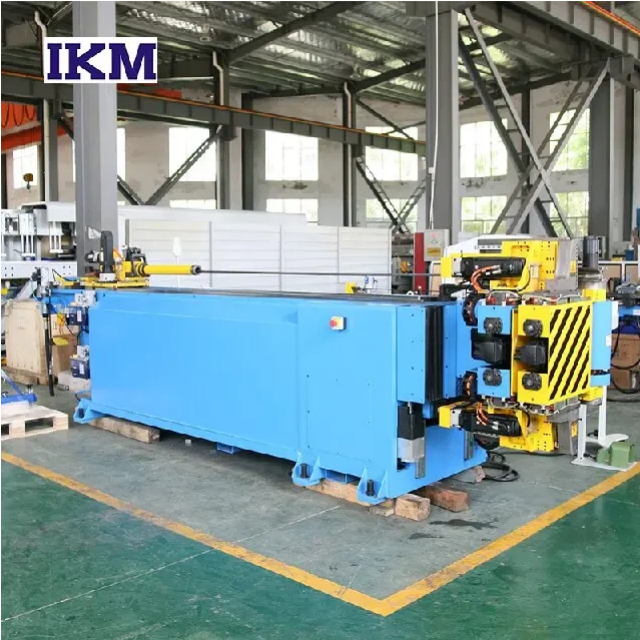
Rotary draw bending is ideal for tight-radius bends and applications that require high precision. Below is a detailed table outlining the technical specifications, use cases, and considerations for this method.
| Key Feature | Description | Applications | Advantages | Considerations |
|---|---|---|---|---|
| Bend Radius | Typically small, as tight as 1xD to 2xD for most materials | Automotive roll cages, aerospace components | High precision, tight bends with minimal springback | Requires accurate tooling for small-radius bends |
| Accuracy | Very high precision (within ±1°) | Precision parts, high-performance structures | Suitable for complex geometries and tight radii | Small margin of error; must calibrate dies frequently |
| Material Suitability | Best for thin-walled materials and high-strength alloys | Stainless steel, aluminum, chromoly alloys | Excellent for materials that are difficult to bend manually | Not ideal for thick-walled tubes without mandrels |
| Tooling Requirements | Requires specialized dies and mandrels | High-end manufacturing, custom applications | Tools designed for specific tube diameters and radii | High tooling cost and setup time |
| Production Speed | Moderate to slow | Low to medium production volumes | Highly repeatable with automated systems | Slower for high-volume runs compared to simpler methods |
Tip:Rotary draw bending is perfect for precision applications like roll cages, where high accuracy is necessary. However, it requires custom tooling and may be slower for high-volume production.
Ram and press bending is an older, simpler method, where the tube is pushed against stationary dies by a hydraulic ram. While it's less precise than rotary draw bending, it's suitable for larger-diameter tubes and materials where high precision isn't critical. Ram bending is commonly used in construction and other industrial applications that require large-radius bends, though it can cause internal defects such as ovality if not properly supported.
Roll bending is used to achieve very large-radius bends, often for architectural or furniture applications. It involves passing the tube through three rollers arranged in a pyramid configuration, with the tube gradually bent as it moves through the rollers. This method is slower than rotary draw bending but offers more flexibility for producing large, continuous curves. Roll bending is ideal for situations where the bend radius exceeds the capabilities of other bending methods.
Understanding material springback and compensation mechanisms is essential for accurate bending. The table below showcases how different materials affect springback and the corresponding compensation measures.
| Material Type | Springback Amount | Compensation Method | Applicable Scenarios | Considerations |
|---|---|---|---|---|
| Aluminum Alloy | Small (usually 1-3°) | Slight overbending, multiple adjustments | Lightweight structures, automotive applications | Small springback, but precise control of bend angle is required; not suitable for large radius bends |
| Stainless Steel | Medium (usually 3-6°) | Overbend, compensate by adjusting angle | Precision structures, aerospace industry | Must consider material thickness and wall thickness impact on springback |
| Carbon Steel | Large (usually 6-10°) | Pre-calculate and set overbend angle, use reaction force compensation | Heavy-duty applications, construction industry | Large diameter tubes have significant springback, more compensation is needed |
| Chromoly Alloy | Very Large (usually 8-12°) | Use mandrel, increase support during bending | High-strength and precision components | Requires additional mandrel or tooling support to reduce springback |
Tip:When working with materials that have significant springback, using internal mandrels or tooling support is an effective way to prevent springback and ensure accurate bends.
To ensure high precision in your bends, digital measurement tools such as angle finders and rotation gauges are essential. These tools provide real-time feedback, making it easier to correct any misalignment or incorrect bend angles. A degree wheel, mounted on the machine, can also help operators track the bending angle and ensure consistency in multi-plane bends.
A well-maintained hydraulic tube bender ensures long-term precision and reliability. Regular calibration is essential to ensure that the machine consistently produces accurate bends. Maintenance includes checking for any wear on the pivot points, inspecting the hydraulic system for leaks, and ensuring that the tooling remains sharp and free from damage. Proper maintenance will extend the life of your bender and keep it functioning at peak performance.
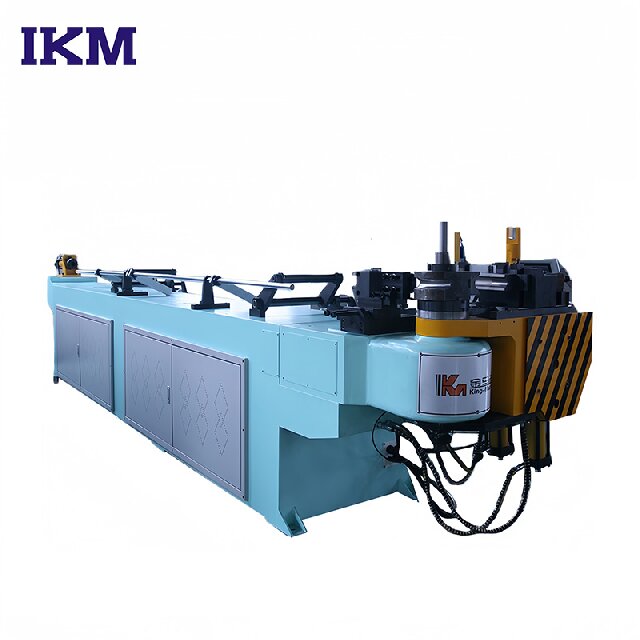
Bending tubes is not always a straightforward process. Common defects include wrinkling, buckling, and ovality. Wrinkling occurs when the tube’s inner radius is not properly supported, while buckling happens when the material collapses due to excessive compression. To prevent these issues, mandrels are used to support the inner diameter during tight bends. Additionally, ensuring that the pressure die is applied evenly and correctly can prevent internal defects.
Even with the best equipment, issues can arise. Material slippage is common when the tube is not securely clamped, leading to inaccurate bends. To prevent this, the clamping die should have sufficient contact with the tube, and the surfaces should be clean and free of contaminants. If bends are inconsistent, it may be due to misalignment of the dies or incorrect calibration. Regularly inspecting the machine and adjusting as needed can resolve many of these issues.
Operating a hydraulic tube bender involves high forces and hydraulic pressure, making safety a top priority. Always wear appropriate safety gear, including gloves, eye protection, and hearing protection. Ensure that the machine is properly grounded and that all hydraulic connections are secure before operation. It's also important to work in a well-ventilated area to prevent any build-up of hydraulic fumes or heat.
Hydraulic tube benders operate under significant pressure, and overloading the system can lead to catastrophic failure. Always adhere to the machine’s tonnage limits, which are specified based on the tube material and size. Regularly check the hydraulic fluid levels and inspect the system for any signs of leaks. Overloading the machine can damage the ram, frame, and hydraulic components, so it's important to understand the limitations of your bender.
Building your own hydraulic tube bender can be a cost-effective way to get a high-quality machine. The material costs will vary depending on the size and complexity of the bender, but you can expect to spend between $500 and $1500 for the necessary components, excluding the hydraulic cylinder and dies. The benefit of a DIY build is that you can customize it to suit your specific needs and materials, ensuring that you get exactly what you require.
While building your own tube bender offers many advantages, pre-built machines come with additional features such as advanced hydraulic systems and CNC controls. Commercial models are designed for high-volume production, with enhanced repeatability and accuracy. For hobbyists or those who need a quick, ready-to-use solution, a pre-built machine might be more practical, though it typically comes at a higher cost.
Building a hydraulic tube bender provides a hands-on solution for creating precise bends in tough materials like steel and aluminum. This guide covers the essential components, design steps, and key considerations to help DIY enthusiasts, engineers, and hobbyists build their own bender. Whether for professional use or personal projects, a hydraulic tube bender is an invaluable tool. For those looking for advanced solutions, Zhejiang King-Mazon Intelligent Manufacturing Corp., Ltd. offers high-quality hydraulic tube benders that deliver exceptional performance, efficiency, and long-term reliability in various applications.
A: A hydraulic tube bender is a machine that uses hydraulic power to bend tubes or pipes with precision. It is ideal for creating high-strength, accurate bends in materials like steel, aluminum, and chromoly.
A: A Hydraulic Tube Bender works by using a hydraulic ram to apply force to the tube, bending it around a die. This process is controlled to ensure the bends are accurate and free of defects.
A: Hydraulic Tube Benders provide more control, force, and precision than manual benders. They are better suited for bending thicker materials and achieving more complex shapes with ease.
A: Yes, with the right materials and tools, you can build your own Hydraulic Tube Bender. The process involves designing the frame, assembling the hydraulic system, and installing the necessary tooling and dies.
A: Hydraulic Tube Benders can bend a variety of materials, including steel, aluminum, copper, and chromoly. The type of material and thickness will determine the machine's power and die requirements.
A: The cost of building a Hydraulic Tube Bender depends on the materials and components used. Typically, DIY builds range from $500 to $1500, excluding the hydraulic cylinder and dies.
A: Common issues include springback, material slippage, and misalignment. Regular calibration and using proper tooling can help prevent these problems and ensure consistent bends.


