


Views: 0 Author: Site Editor Publish Time: 2026-01-13 Origin: Site


Have you ever wondered how pipes are bent with such precision? Hydraulic pipe benders use powerful hydraulic pressure to reshape metal pipes into exact forms. These machines eliminate the need for manual force, offering a seamless solution in industries like plumbing, construction, and automotive manufacturing. In this article, we will explore the mechanics, types, and benefits of a Hydraulic Tube Bender. You'll learn how these tools work, the different models available, and why they're essential for creating accurate bends in various materials.
A Hydraulic Pipe Bender is a machine that uses hydraulic pressure to bend pipes and tubes. The hydraulic system applies force through a piston that moves a die around the pipe, shaping it into the desired angle. This process ensures smooth and controlled bends, even in tough materials like steel, aluminum, and copper. The key components of a hydraulic pipe bender include the hydraulic pump, cylinder, piston, and bending die. These components work together to deliver high-quality bends for various industrial tasks.
A hydraulic pipe bender operates based on the principles of hydraulics, particularly Pascal's law, which states that pressure applied to a confined fluid is transmitted equally in all directions. The hydraulic pump supplies fluid to a piston, which generates force and pushes the pipe into the bending die. As the fluid pressure increases, the pipe is bent to the desired angle. This method allows for precision bending, even in high-strength materials. The hydraulic system ensures that the bending process is smooth and controlled, minimizing the risk of damage or deformation.
Hydraulic pipe benders provide a wide range of benefits, from precision and efficiency to versatility across multiple materials and industries. The following table breaks down these advantages into various categories, highlighting their application, effects, technical specifications, and guidelines for use.
| Category | Description | Application | Key Considerations | Effect/Outcome | Technical Specifications | Operation Guidelines |
|---|---|---|---|---|---|---|
| Precision | Hydraulic pressure ensures precise and consistent bends. | Ideal for applications requiring exact angles, such as in automotive exhaust systems, HVAC, and aerospace components. | Requires proper setup of hydraulic pressure and die size to avoid deviations. | Bends are highly accurate and uniform, ensuring proper fit and performance. | Pressure range: 1,000 psi to 10,000 psi (depending on machine). Bend angle accuracy: ±1 degree. | Choose correct die and set hydraulic pressure appropriately for the material. Perform test bends for validation. |
| Efficiency | Hydraulic systems enable fast operation with minimal manual effort. | Large-scale projects, including manufacturing, shipbuilding, and industrial piping installations. | Ensure that the machine is well-maintained to avoid slowdowns due to wear or hydraulic fluid issues. | Significantly reduces labor time and cost. More efficient for high-volume bending. | Cycle time: Typically 5-30 seconds per bend, depending on material and machine size. | Regularly check for hydraulic fluid levels and machine performance before starting high-volume tasks. |
| Versatility | Capable of bending a wide range of materials, including steel, aluminum, and copper. | Plumbing, HVAC, automotive, and aerospace industries. Bending a variety of pipe sizes and materials for customized projects. | Some materials require special dies or adjustments (e.g., aluminum needs less pressure than steel). | Can handle a variety of pipe diameters and materials without compromising on precision. | Material compatibility: Steel, aluminum, copper, stainless steel. Max pipe size: 1/4" to 4" diameter (depending on model). | Check material compatibility with the die before bending to avoid pipe deformation or damage. |
| Cost-Effectiveness | Hydraulic benders reduce the cost of operations by minimizing material waste and labor. | Large-scale production environments where cost savings are critical, such as in manufacturing pipes for infrastructure. | Proper setup and maintenance are needed to avoid mistakes that could lead to wasted materials. | Helps reduce the need for rework and scrap material, lowering overall project costs. | Initial cost: Higher than manual benders but lower operational cost due to fewer labor requirements. | Perform regular maintenance to ensure optimal efficiency and cost-saving operation over time. |
| Safety | Hydraulic systems provide controlled bending force, which minimizes risk compared to manual benders. | Ensures a safer working environment, especially in high-pressure applications such as construction or industrial work. | Follow manufacturer’s safety guidelines, use appropriate PPE (e.g., gloves, goggles). | Reduces risk of injury from physical strain and high-force bending. | Safety features: Overload protection, pressure release valves, emergency stops. | Conduct safety checks and calibrations before every operation to ensure the safety features are working correctly. |
| Speed | Faster bending operations compared to manual methods. | Automotive industry, plumbing, HVAC, and high-volume manufacturing setups that require rapid production. | Monitor machine settings to avoid over-bending, which may slow down the process. | Increases productivity, especially in industrial settings where speed is essential. | Cycle time per pipe: 5-30 seconds (depending on material). | Ensure the machine is calibrated for fast, efficient bending to maximize output. |
| Customizability | Benders can be adjusted to handle different pipe diameters and bending angles. | Projects requiring custom pipe bending, such as furniture design, or architectural and industrial applications. | Customization can be complex; ensure you have the proper training and understand the machine's settings. | Allows for greater flexibility in producing pipes and tubes for unique applications. | Adjustable dies and bending arms to accommodate different diameters and angles. | Customize settings for each project to ensure the best fit and bend specifications. |
Tip:Regularly inspect your hydraulic bender for wear and tear to maintain its efficiency and longevity, especially when working with varied materials and high-production tasks.
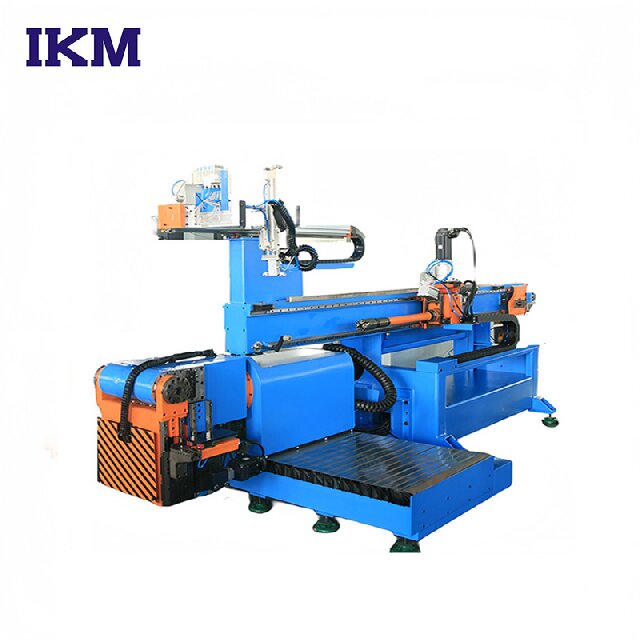
Manual Hydraulic Pipe Benders are designed for smaller-scale operations and are operated by hand. These benders are ideal for light to medium-duty tasks and are often used in workshops or for field repairs. The main advantage of manual benders is their portability and lower initial cost. However, they require more physical effort and may not be suitable for large-scale industrial tasks. Despite this, they remain popular for their affordability and ease of use in smaller, less demanding projects.
Powered Hydraulic Pipe Benders use an electric motor or hydraulic pump to automate the bending process. These benders are designed for high-efficiency work and are ideal for industrial applications. Powered benders provide higher bending force, enabling them to handle thicker pipes and larger diameters with ease. They are commonly used in manufacturing plants, construction sites, and other large-scale operations where precision and speed are critical. While more expensive than manual models, powered benders increase productivity and reduce labor costs.
CNC Hydraulic Pipe Benders are the most advanced type, integrating computer-controlled precision to automate the bending process. These machines can bend pipes to specific angles and dimensions with high accuracy, making them ideal for industries like aerospace and automotive manufacturing. CNC machines offer repeatability, ensuring that each bend is identical, which is essential in mass production environments. The precision and automation provided by CNC benders make them an excellent choice for projects that require intricate and complex bends.
The hydraulic pump is the heart of a hydraulic pipe bender. It supplies the high-pressure fluid necessary to drive the piston and bend the pipe. The pump works by generating a steady flow of fluid, which is then pushed through the hydraulic system. This system creates the force needed to bend the pipe, allowing the operator to control the process with minimal effort. Hydraulic pumps can be either manual or powered, depending on the model, and their efficiency plays a key role in the overall performance of the bender.
The cylinder and piston assembly is responsible for transferring hydraulic pressure into mechanical force. The piston moves within the cylinder when pressure is applied, pushing the pipe into the bending die. The cylinder’s design ensures that the hydraulic force is efficiently transmitted, resulting in smooth, controlled bends. The piston’s role is crucial because it determines how much pressure can be applied to the pipe, which in turn affects the quality and precision of the bend.
Dies are essential for controlling the shape and radius of the bend. They come in various sizes and are typically made from durable materials like steel or aluminum. The bending die forms the pipe around it as the hydraulic pressure is applied, ensuring the pipe is bent to the desired angle without causing damage. The choice of die is crucial, as it determines the quality and consistency of the bend. Using the correct die size for the material and pipe diameter ensures smooth bends and prevents defects like wrinkling or collapsing.
Hydraulic pipe benders are capable of handling a variety of metals, each with specific properties and bending requirements. The following table details the characteristics of common metals used in hydraulic pipe bending, including their applications, technical specifications, and operational guidelines. This will help ensure that you select the correct settings and dies for optimal performance.
| Metal Type | Description | Applications | Key Considerations | Effect/Outcome | Technical Specifications | Operation Guidelines |
|---|---|---|---|---|---|---|
| Steel | Steel is a strong, durable metal often used in construction, plumbing, and automotive applications. It requires more force to bend compared to softer metals like aluminum. | Commonly used for structural pipes, automotive exhaust systems, and industrial plumbing. | Requires higher hydraulic pressure for bending. Steel is prone to cracking if not bent properly. | Offers durability and strength, making it ideal for heavy-duty applications. | Bending force: Higher than aluminum; typically 10-20 tons depending on thickness. | Ensure proper die selection to avoid damage to the pipe. Use higher hydraulic pressure for thicker steel. |
| Aluminum | Aluminum is a lightweight and malleable metal, ideal for applications requiring lighter materials. It requires less force to bend than steel, making it easier to handle. | Used in automotive parts, lightweight piping, and custom fabrication. | Requires less hydraulic pressure due to its malleability, but care should be taken to avoid over-bending. | Provides lightness and corrosion resistance, making it suitable for specific automotive and architectural projects. | Bending force: Lower than steel; typically 5-10 tons depending on thickness. | Ensure that the pressure is set low to prevent over-bending. Avoid excessive force to maintain material integrity. |
| Copper | Copper is a non-ferrous metal known for its conductivity and corrosion resistance. It is often used in plumbing, electrical, and heating systems. | Common in plumbing, electrical systems, and HVAC applications. | Copper is softer than steel and aluminum, so it bends easily but can be damaged if excessive pressure is applied. | Easy to work with, providing smooth bends without compromising material integrity. | Bending force: Lower than steel; typically 5-8 tons depending on wall thickness. | Use lower hydraulic pressure for copper. Ensure the pipe is properly supported to avoid kinking during the bending process. |
| Stainless Steel | Stainless steel is a strong and corrosion-resistant material commonly used in harsh environments. It requires higher pressure for bending, especially when dealing with thicker pipes. | Used in high-pressure systems, industrial piping, and automotive exhausts. | Requires high pressure for bending, especially when dealing with thicker pipes. May require additional support (e.g., mandrels). | Provides excellent strength and resistance to corrosion, ideal for demanding applications. | Bending force: Higher than aluminum or copper; typically 20-30 tons for thicker pipes. | Use higher hydraulic pressure and mandrels to avoid deformation during the bending process. Ensure proper die selection for specific radius requirements. |
Tip:For metals with varying malleability like aluminum and stainless steel, always adjust the hydraulic pressure to avoid material deformation or cracking. Regularly check the die for wear to ensure consistent bending quality.
When selecting a hydraulic pipe bender, the size of the pipe is an important consideration. The bender should be capable of accommodating the pipe’s diameter and wall thickness. Hydraulic benders are typically available in a range of sizes, with some machines capable of bending pipes with diameters as small as 1/4 inch and others handling pipes up to several inches in diameter. It’s important to choose a bender that can handle the specific size requirements of your project to ensure accuracy and efficiency.
Each material has specific uses when it comes to pipe bending. For example, aluminum is commonly used in the automotive industry for creating lightweight exhaust systems, while steel is often used in plumbing and construction for creating strong, durable pipes. Hydraulic pipe benders are particularly effective for bending mild steel pipes, as they offer the necessary force to reshape the material without causing cracks or deformation. Understanding the material's requirements ensures that the bender is used correctly for each specific application.
When using a hydraulic pipe bender, safety is paramount. Operators should wear appropriate personal protective equipment (PPE), including gloves, safety goggles, and steel-toed boots. It is also essential to check the machine’s safety features, such as emergency stop buttons, pressure release valves, and overload protection. Ensuring that these safety features are functioning properly minimizes the risk of accidents and injuries during operation.
Hydraulic pipe benders apply significant force to the material, making it essential to follow safety protocols during operation. Always ensure that the work area is clear of obstructions and distractions. Operators should also avoid overloading the machine, as this can cause damage to the equipment and lead to safety hazards. Regularly inspecting the machine for wear and tear is also crucial to prevent mechanical failure during operation.
Regular maintenance is key to ensuring the safety and efficiency of hydraulic pipe benders. This includes checking the hydraulic fluid levels, inspecting components for damage, and cleaning the machine after each use. Following the manufacturer’s maintenance guidelines will help extend the life of the bender and ensure that it operates safely and efficiently over time.
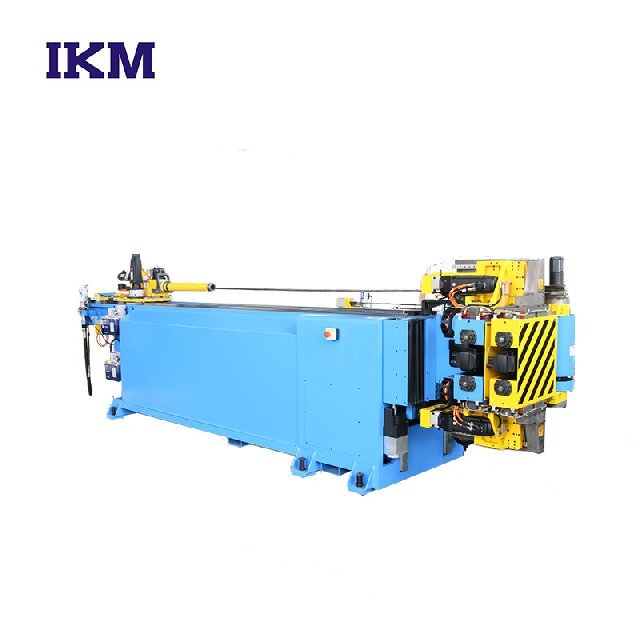
In the automotive industry, hydraulic pipe benders are used to create custom exhaust systems, fuel lines, and brake lines. These applications require high precision to ensure that the pipes fit perfectly within tight spaces and meet safety standards. Hydraulic pipe benders offer the precision and versatility needed to handle complex, high-precision tasks that are common in automotive manufacturing.
Hydraulic pipe benders are widely used in the construction industry for bending pipes used in plumbing, heating, ventilation, and air conditioning (HVAC) systems. They are also essential for bending steel and aluminum pipes used in structural applications. The ability to create precise bends ensures that the pipes fit perfectly within the building's framework, reducing the need for rework and ensuring that the installation meets design specifications.
In aerospace and heavy industries, hydraulic pipe benders are used to create complex piping systems for fuel, hydraulic, and air systems. These applications require extreme precision to ensure the pipes perform well under high-pressure conditions. Hydraulic benders are essential for shaping titanium and aluminum pipes, which are commonly used in the aerospace industry for lightweight and high-strength components.
When selecting a hydraulic pipe bender, several factors should be considered, including the pipe size, capacity, and material compatibility. The bender should be able to handle the specific requirements of the project, such as the diameter and thickness of the pipes. Additionally, it's important to choose between manual, powered, or CNC models based on the volume of work and required precision.
To ensure that you choose the right hydraulic pipe bender, consider the specific tasks you need to perform. For example, if you require high-precision bends for aerospace applications, a CNC hydraulic bender might be the best option. For heavy-duty tasks like shipbuilding, a powered hydraulic bender with a high bending capacity is ideal. Understanding your project’s needs ensures that the machine will perform optimally.
When choosing a hydraulic pipe bender, it's important to understand the key specifications, such as bending capacity, bending radius, and hydraulic force. These specifications determine the machine’s ability to handle different materials and pipe sizes. Additionally, consider the bender's speed, precision, and maintenance requirements to ensure that it meets your operational needs.
Hydraulic pipe benders play a crucial role in industries like automotive manufacturing, construction, and aerospace. They provide precision, power, and versatility, ensuring high-quality results for pipe bending projects. By selecting the appropriate bender for your specific needs, and incorporating best practices for maintenance and safety, you can maximize efficiency and achieve optimal performance. In addition, companies like Zhejiang King-Mazon Intelligent Manufacturing Corp., Ltd. offer hydraulic pipe benders designed for various industrial applications. Their products provide exceptional reliability and are tailored to meet diverse project requirements, ensuring value through advanced technology and efficient performance. Regular maintenance will further enhance the longevity and productivity of these essential tools.
A: A Hydraulic Pipe Bender is a machine that uses hydraulic pressure to bend metal pipes into precise shapes, ensuring accuracy and smooth bends without relying on manual force.
A: The Hydraulic Pipe Bender works by applying high-pressure fluid to a piston, which moves a die around the pipe, shaping it into the desired angle while maintaining precision.
A: The primary benefits of a Hydraulic Pipe Bender include enhanced precision, efficiency, and the ability to bend a wide variety of materials with minimal effort.
A: Yes, Hydraulic Pipe Benders can handle various materials like steel, aluminum, copper, and stainless steel, but each material may require different settings and dies for optimal results.
A: The cost of a Hydraulic Pipe Bender varies depending on the type and capacity, with manual models being more affordable and CNC models offering higher precision at a higher price.
A: A Hydraulic Pipe Bender provides greater precision, faster operation, and less physical strain compared to manual benders, making it ideal for industrial-scale tasks.


