


Views: 0 Author: Site Editor Publish Time: 2026-01-08 Origin: Site


Bending machines play a vital role in modern manufacturing, shaping materials with precision. Have you ever wondered how these machines create such accurate bends? In this article, we will explore the different types of bending machines and how they function. You will learn about their features, applications, and how to select the right machine, including advanced systems like the multi-level bending machine that help optimize production processes.
Bending machines are designed to shape materials, primarily metals, into precise angles or curves. They function by applying force to the material using various methods, such as mechanical, hydraulic, or CNC-controlled mechanisms. The machines utilize dies and clamps to hold materials in place while applying pressure to achieve the desired bend. In the case of a multi-level bending machine, multiple bending processes can occur sequentially, which enhances production speed and accuracy.
Bending machines are used in a wide range of industries, including automotive, aerospace, construction, and HVAC. They shape pipes, sheets, and tubes into specific forms needed for manufacturing components such as car frames, exhaust systems, and structural parts. In high-precision sectors, such as aerospace, a multi-level bending machine provides automated control for intricate and multi-step bending processes, ensuring that parts meet stringent specifications.
When understanding how bending machines operate, the function and cooperation of each component are crucial. The following table provides detailed information about the key components of bending machines, highlighting their applications, technical specifications, and best practices for proper use.
| Component | Application | Technical Specifications | Considerations | Effect | Operation Guidelines |
|---|---|---|---|---|---|
| Bend Die | Supports the material and determines the bend radius, ensuring precision in the bend. | Suitable for various materials (e.g., stainless steel, aluminum) and different bend radii. | Choose the correct die based on material thickness to avoid deformation. | High precision in bending, ensuring consistent curvature. | Regularly check for wear on the bend die, replacing it when necessary. |
| Pressure Die | Ensures the material follows the shape of the bend die, preventing deformation. | Common pressure range is 5-20 tons, depending on bending requirements. | Suitable for thicker and larger parts; avoid creating wrinkles. | Enhances bending accuracy and consistency, preventing excessive deformation. | Confirm the correct placement of the pressure die before operation to avoid uneven pressure. |
| Clamp Die | Holds the material firmly in place on the bending die, preventing slippage. | Should be adjustable to suit materials of different thicknesses and types. | Ensure the clamping force is appropriate; too strong may damage the material, too weak may result in instability. | Stabilizes material position, ensuring each bend is precise and consistent. | Regularly inspect for loosening or wear on the clamp die. |
| Wiper Die | Located after the bend die, it prevents bulges or wrinkles on the inner radius. | Typically made of flexible material to prevent scratches on the material’s surface. | For thinner materials, ensure the wiper die does not cause surface damage. | Prevents swelling or wrinkling at the inner radius, enhancing material smoothness. | Ensure the gap between the wiper die and bend die is appropriate to avoid friction damage. |
| Mandrel | Supports the internal diameter of tubes, preventing collapse during bending. | Usually made of durable materials suitable for different tube sizes. | For small-radius bends, ensure the mandrel effectively prevents the inner collapse of the material. | Maintains the integrity of the internal diameter of the tube, preventing collapse or wrinkles. | Regularly clean the mandrel to avoid dust and corrosion, ensuring smooth operation. |
Tip:When using multi-level bending machines, adjusting the cooperation between each component can significantly improve production efficiency and bending precision. Regularly checking the wear status of the components helps extend equipment lifespan and maintain production stability.
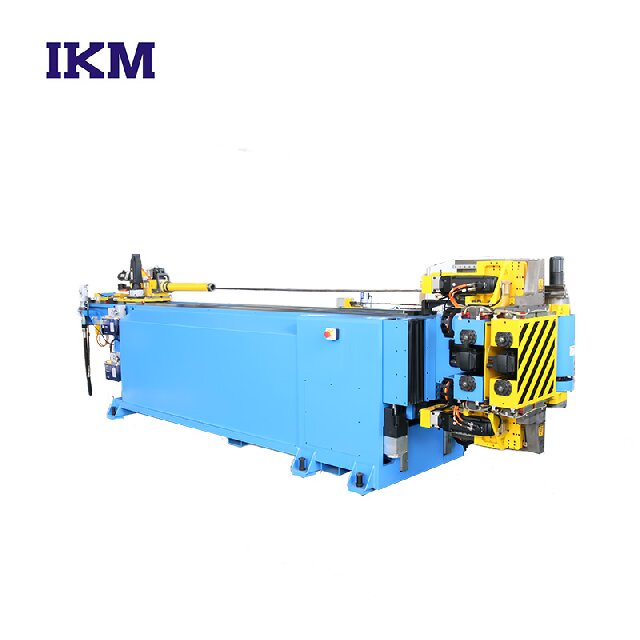
Rotary draw bending machines are widely used for bending tubes and pipes with high precision. This method involves securing the material onto a rotating die, which pulls it around a stationary bend die, creating smooth, consistent bends. These machines are ideal for producing complex shapes and are highly programmable, making them suitable for both small batch and high-volume production. In the automotive industry, rotary draw bending is often used to create roll cages, handrails, and frames, where precision is critical.
Roll bending machines are designed for bending metal plates or sheets into cylindrical or conical shapes. The process involves passing the material through a series of rollers that gradually shape it into the desired form. Roll bending is especially effective for creating large-radius bends with minimal deformation in the material’s cross-section. These machines are often used in industries such as shipbuilding and pressure vessel production, where bending large sheets or heavy plates is required for structural components. Roll bending also works well for continuous production, minimizing material waste.
Ram bending machines, also known as press benders, are among the simplest types of bending machines. The material is clamped between two dies, and a ram is used to apply force, creating the bend. This type of machine is more suited for simple, less intricate bending tasks where precision is not as crucial. Ram bending machines are commonly used for basic pipe bending, such as in smaller-scale operations or for making non-precision parts. While they are easy to operate and cost-effective, their lack of internal support may result in oval cross-sections in the bent material.
CNC (Computer Numerical Control) bending machines have revolutionized the bending process by automating it with high precision. These machines are capable of performing complex bending tasks based on pre-programmed instructions, which ensures consistency and reduces the chances of human error. CNC bending machines are ideal for industries where high precision is necessary, such as aerospace and automotive manufacturing, where components need to meet strict tolerances. They are capable of handling multiple operations in a single cycle, making them highly efficient and suitable for high-volume production.
Vector tube bending machines are designed to handle high-strength materials, providing precision and speed in bending metal tubes. These machines use a combination of rotary draw bending and automated feeding systems, which increases their speed and accuracy. They are perfect for applications where intricate bends are required, such as in aerospace and automotive industries. The vector bending process allows for quick adjustments and can be used for materials that are difficult to bend with traditional methods. These machines are well-suited for high-precision, high-volume operations where automation is key.
Induction bending machines use electromagnetic induction to heat the material at the bending point. Once the pipe or tube is heated, pressure is applied to create the bend, making this a highly efficient process. Induction bending is energy-efficient and eliminates the need for mandrels, which can be a costly and time-consuming addition in traditional bending methods. This makes it ideal for bending large pipes and tubes in industries such as oil and gas, construction, and heavy manufacturing. Induction bending allows for precise bends in a wide range of pipe sizes and angles, with the added benefit of reduced energy consumption.
Plate bending machines are designed to bend large metal plates into cylindrical or conical shapes. These machines are equipped with multiple rollers that apply pressure to the plate, shaping it as it passes through the machine. Plate bending machines are commonly used in industries that require heavy-duty bending, such as in the production of pressure vessels, tanks, and large-scale metal fabrication projects. They are suitable for materials like steel and aluminum, and they offer high precision for large-radius bends. These machines can handle large production runs and are built for tough industrial applications.
CNC technology revolutionizes bending by offering precise control over the bending process. This is particularly valuable when producing complex shapes that would be challenging with manual machines. Multi-level bending machines often rely on CNC systems to manage multiple bending steps, providing highly accurate results with minimal errors. CNC technology ensures that even the most intricate and detailed parts are produced consistently, improving both quality and productivity.
CNC systems improve production efficiency by automating the bending process. Multi-level bending machines can handle multiple tasks in a single cycle, reducing the need for manual adjustments and decreasing cycle times. This results in faster production and lower labor costs. Automation also allows manufacturers to produce parts more quickly without sacrificing quality, making CNC machines ideal for industries requiring high-volume production with precise specifications.
It’s crucial to select a bending machine that can handle the specific material you’re working with. For example, a multi-level bending machine may be ideal for processing materials like stainless steel, which requires higher precision and strength. Different machines are designed to handle various material types, including metal, plastic, and composites, each requiring specific bending methods.
Different machines have varying capabilities when it comes to bend radii and angles. Ensure the machine can meet the specific requirements of your project. Machines like the multi-level bending machine are designed to handle complex bends with multiple angles, making them suitable for projects requiring intricate designs and tight tolerances.
If you’re working with high volumes of parts, automated machines such as CNC or multi-level bending machines may be the best choice. These machines allow for faster processing and can handle custom bending tasks with minimal human input. CNC-controlled machines also provide the flexibility to adjust programs for different shapes, making them ideal for both custom and high-volume production needs.
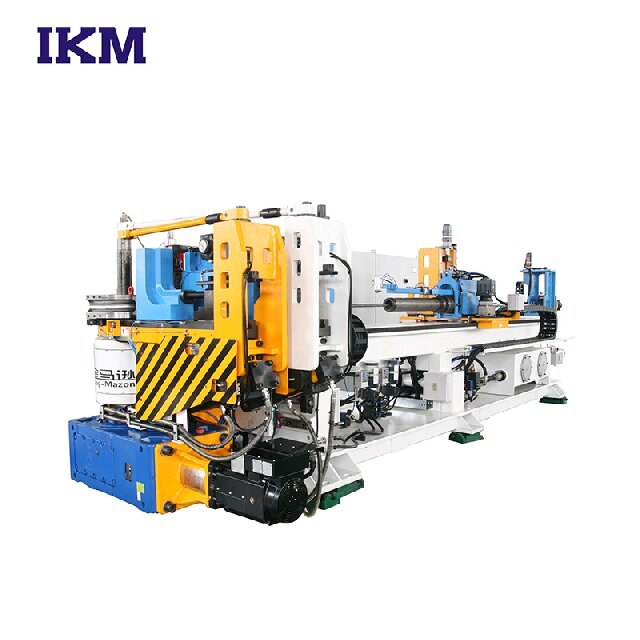
The table below provides an in-depth look at the applications of bending machines in key industries, including the automotive, aerospace, and construction sectors. It covers technical details, best practices, and operational guidelines for each industry.
| Industry | Applications | Technical Specifications | Considerations | Effect | Operation Guidelines |
|---|---|---|---|---|---|
| Automotive | Used for bending components such as exhaust systems, roll cages, and chassis frames. | Requires high precision, often with tight tolerances and complex bends. | Must accommodate various material types (e.g., steel, aluminum) and thicknesses. | Ensures parts are fabricated with consistent accuracy, allowing for high-volume production. | Use CNC-based multi-level bending machines for intricate bends; ensure machine calibration is checked regularly for precision. |
| Aerospace | Used to fabricate high-precision parts such as fuel lines, airframe components, and structural tubes. | CNC bending machines, especially multi-level bending machines, are required for precision. Capable of working with high-strength materials like titanium and aluminum alloys. | Parts need to meet strict aerospace standards for material integrity and performance. | Provides high accuracy in tube and component bending, ensuring reliability in safety-critical applications. | Regularly calibrate CNC machines to maintain precision; ensure machines can handle high-strength materials without causing deformation. |
| Construction & Heavy Industry | Essential for shaping metal pipes, beams, and structural components for buildings, bridges, and other infrastructure. | Multi-level bending machines handle complex bends in structural steel, piping systems, and other metal components used in construction. | Accuracy is crucial to ensure parts fit correctly, especially for large-scale construction projects. | Ensures precision in large-diameter pipes and beams, maintaining the structural integrity of construction projects. | Focus on material compatibility and machine load capacity; ensure that each piece is checked for dimensional accuracy before use. |
Tip:For industries like aerospace and automotive, where precision is critical, using multi-level bending machines with CNC controls can greatly enhance the production process, ensuring that every part meets strict industry standards. Regular maintenance and machine calibration are essential to ensure long-term efficiency and precision.
Routine maintenance is vital for ensuring the longevity of bending machines. Regularly check the hydraulic systems, clean the machine to prevent buildup, and lubricate moving parts. For multi-level bending machines, ensure the CNC system is calibrated correctly for optimal performance. Maintenance should also include checking for wear and tear on key components like dies and rollers.
Common issues with bending machines include misalignment, material jams, and inaccuracies in bending angles. Always address these problems promptly to avoid costly downtime in production. For multi-level bending machines, regular software updates can also help resolve programming glitches. Keeping your machines in good condition ensures smooth and efficient operations.
As production needs evolve, upgrading your bending machine can enhance efficiency and precision. Multi-level bending machines can be upgraded with advanced software or automation systems to handle more complex tasks as business demands grow. Upgrades can also help extend the machine’s lifespan and ensure it continues to meet evolving production requirements.
Bending machines are essential in modern manufacturing, offering precise and high-quality bends for various materials. From simple ram bending machines to advanced multi-level bending machines, each type serves specific needs depending on material, precision, and production volume. By selecting the right machine, businesses can enhance efficiency, reduce errors, and maintain high quality. Zhejiang King-Mazon Intelligent Manufacturing Corp., Ltd. provides advanced multi-level bending machines that integrate CNC technology, ensuring accuracy and boosting productivity for a wide range of industries.
A: A multi-level bending machine is an advanced tool that performs multiple bending operations sequentially, increasing precision and production speed. It is ideal for complex bending tasks across various industries.
A: A multi-level bending machine automates the bending process, reducing manual intervention. It can handle multiple bends in one cycle, minimizing setup time and boosting overall production efficiency.
A: Industries like automotive, aerospace, and construction use multi-level bending machines to produce high-precision components, including car frames, airframe parts, and structural steel.
A: Multi-level bending machines offer enhanced precision, automation, and speed, making them ideal for high-volume production with complex bends. They improve overall efficiency compared to traditional methods.
A: Multi-level bending machines use CNC technology to control the bending process, allowing for precise and repeatable bends. This minimizes human error and ensures high-quality results every time.


